
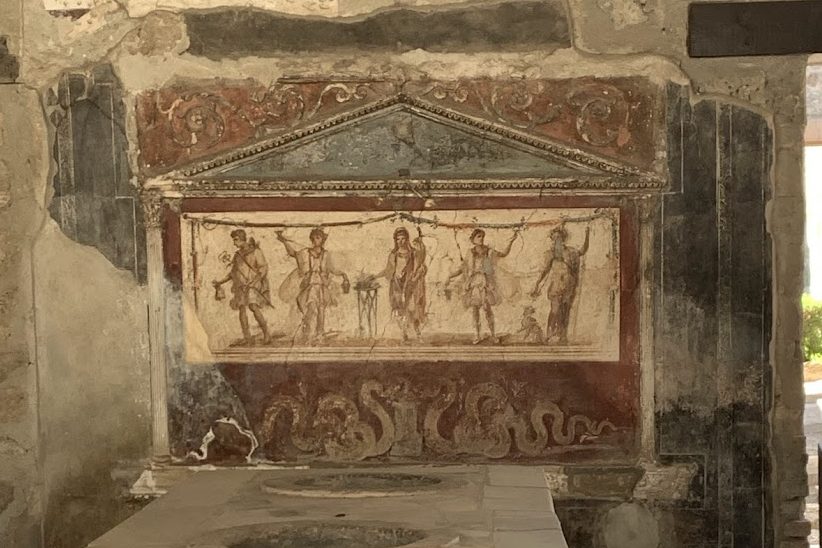
Most have heard of Pompeii, either through school, books, or through the media of an entire town destroyed and covered in ashes when Mount Vesuvius erupted. An entire civilization froze in time as nature took its course.
After major excavations in the 19th and 20th centuries, the site of Pompeii became the Archaeological Park of Pompeii, a UNESCO World Heritage Site. It is among the most popular tourist attractions in Italy, with approximately 2.5 million visitors annually. This summer I had the unique opportunity to be one of those lucky visitors.
As an archaeologist, visiting Pompeii was a dream come true. This ancient city, frozen in time by the eruption of Mount Vesuvius in 79 AD, offers a unique window into Roman life. Over the course of several days, I explored each region of Pompeii, uncovering the stories embedded in its ruins. Here’s a detailed account of my journey through each region, highlighting key sites and personal insights.
The archaeological park is a huge site, covering over 170 acres, however only about 110 acres have been excavated. The remaining acres are still covered in debris from the eruption of Mount Vesuvius nearly 2,000 years ago. The ruins of Pompeii are so vast that it can take at least two to three days to fully explore. Do not forget to bring a good pair of shoes, a hat, sunscreen, and a water bottle with you, which can be filled at several taps for drinking water all over the site. Do not try to cover the entire place, go by your interests and spend time on what you like. It is important to have a general idea of the place and what intrigues you the most. You can get a free map of the site from the ticket office. The map is self-explanatory. The entire site is divided into sections, and each with numbered lanes and landmarks.
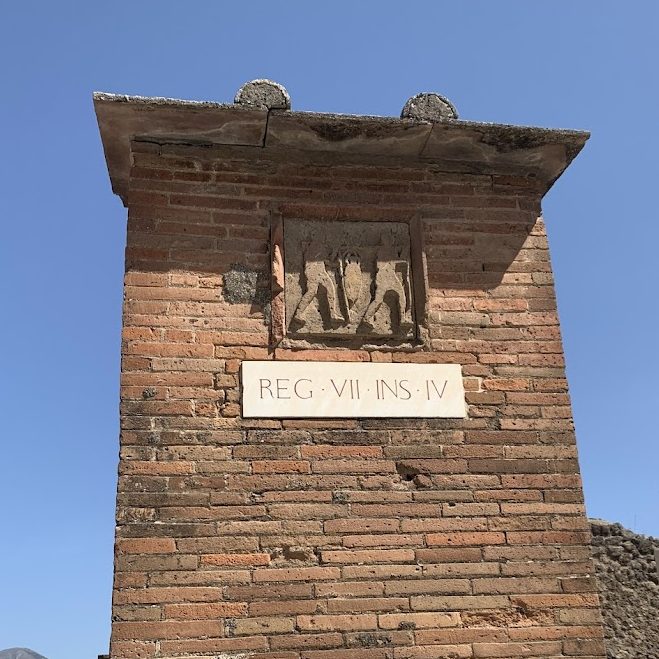
The house-names and street-names now used in Pompeii are modern concoctions. Pompeians would have never referred to the Villa of Mysteries as the Villa of Mysteries. However there are signs that indicate how the Romans would have navigated the city. For example, on a street corner, one can see an image of two men carrying an amphora, which is thought to have served as a landmark to the Romans.
I began my roaming in Regio II, having entered from Piazza Anfiteatro. I roamed around each region, exploring each house and site that was open.
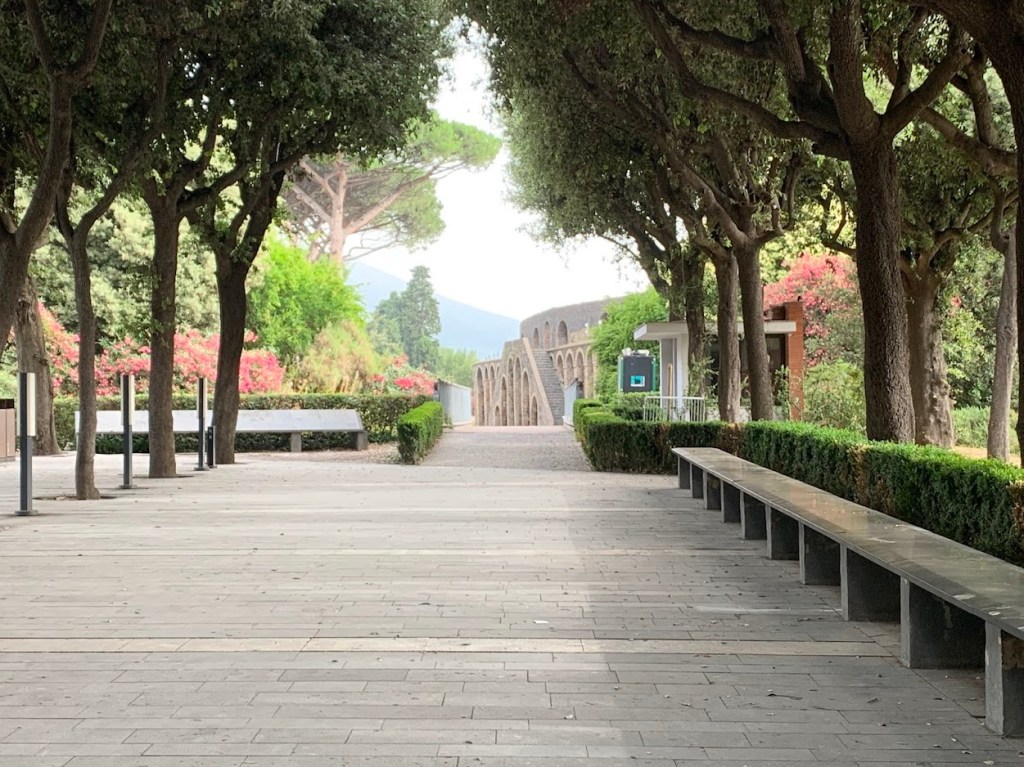
Regio II
I began my journey with the ancient amphitheater of Pompeii. Pompeii houses one of the oldest and largest amphitheaters in the world. The entrance to the amphitheater is a dark tunnel that leads to the large field of the amphitheater. Going from darkness to the bright sun allowed me to imagine how the gladiators would have felt. Visitors are not allowed to go up the stands thus everyone was staring up and around, under the gaze of invisible spectators.
I had visited the Large Palestra days earlier and had really enjoyed my experience. The Large Palaestra was across the street from the amphitheater and currently houses a temporary exhibition called The Other Pompeii. Ordinary lives in the shadow of Mount Vesuvius, which sheds light on the daily life of Pompeii’s less affluent classes—slaves, freedmen, artisans, and workers—who are often underrepresented in historical narratives. Through seven thematic sections, the exhibit provides an in-depth look at aspects such as childhood, food, servile families, clothing, leisure, mobility, and spirituality. It explores the conditions and experiences of these groups, highlighting their everyday lives and contributions to Pompeian society. This exhibition underscores that Pompeii was not a static site frozen in time but an active and evolving community. Rather than solely focusing on high-status artifacts of Pompeii, the exhibition presents a range of items that reveal the everyday realities of these individuals.
Childhood features objects such as toys and small household items that illustrate the high mortality rate and living conditions of children. Food and Nutrition includes pottery, utensils, and food remnants that reflect social differences in diet and food preparation practices. Servile Familia showcases personal items and tools that belonged to slaves, shedding light on their roles and conditions within the Roman family structure.
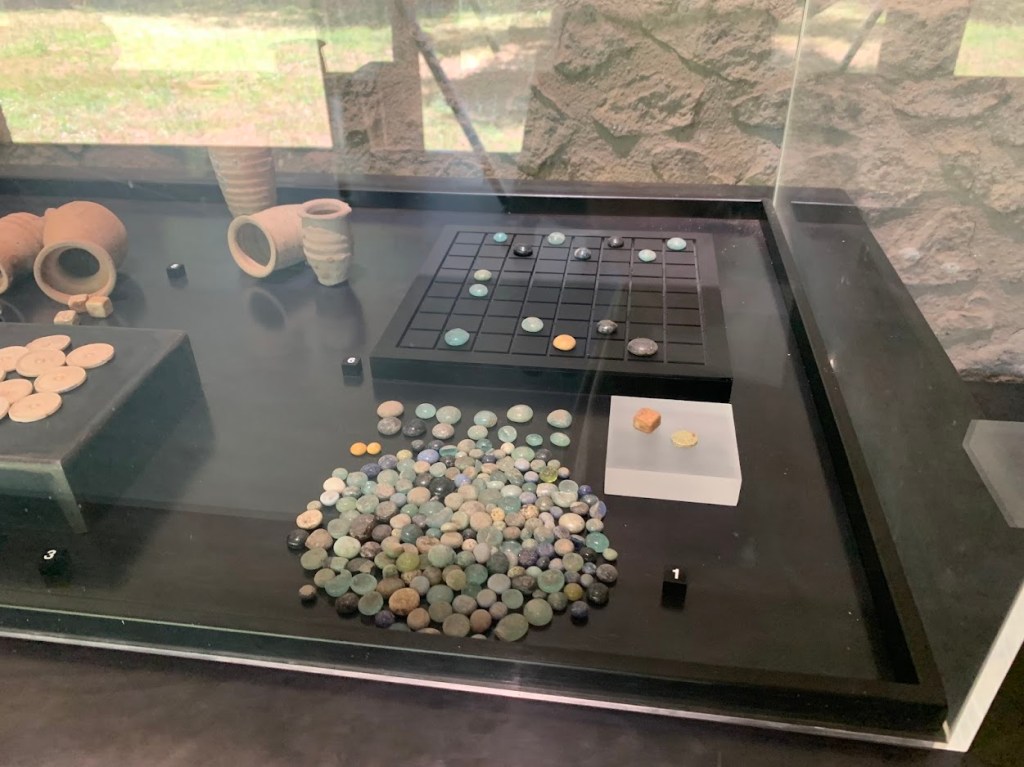
Entertainment and Leisure presents artifacts related to popular forms of amusement, including small figurines and gaming pieces that reveal the recreational activities of ordinary Pompeians.
Each section provides a tangible connection to the everyday lives and experiences of those often overshadowed by more spectacular finds, offering a more comprehensive view of Pompeian society. It was refreshing and enlightening to see an exhibit that delved into the realities of these individuals who played a crucial role in the fabric of Pompeian society.
Next on my itinerary was the Praedia of Julia Felix, which has been of interest to me due to the frescoes found in the house and the power held by Julia Felix.
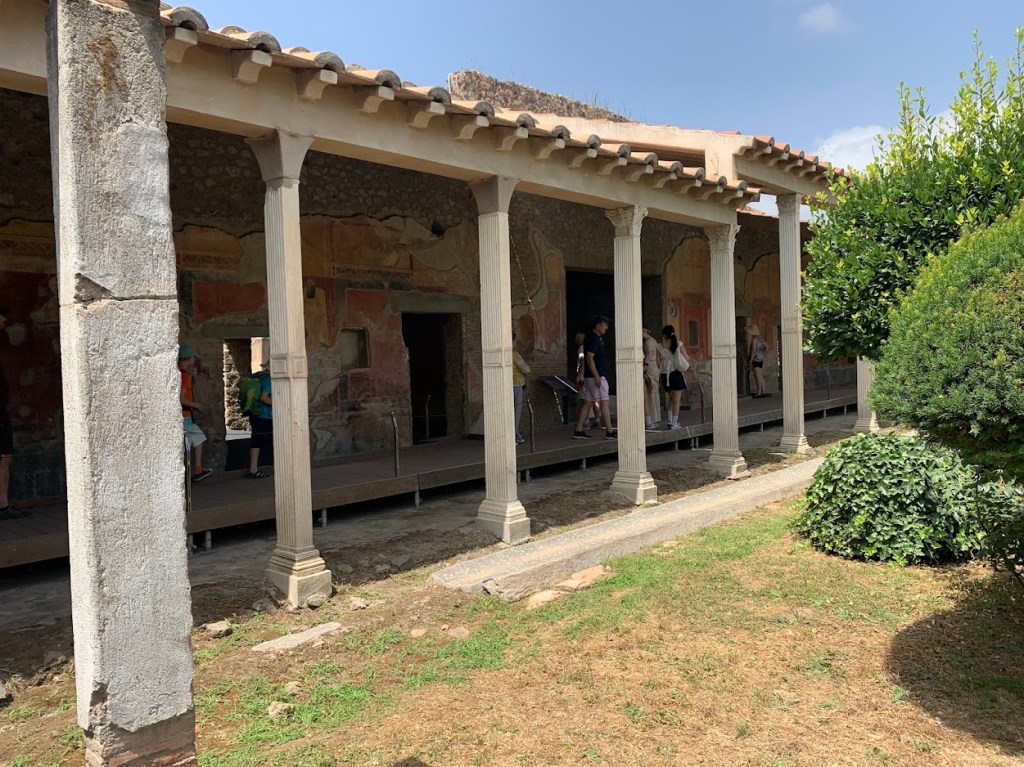

The residence’s extensive decoration and garden illustrate the high social status of its owner. The Praedia of Julia Felix housed some of my favorite frescos which depicted daily life of the Forum, which are now housed in the National Archaeological Museum of Naples.
In some of the larger houses of Pompeii, effort had been made to replant the trees and plants that would have been in the gardens and garden room, such as in the Praedia of Julia Felix. The house’s garden, meticulously replanted with species that would have been present during the Roman era, added a serene and almost nostalgic element to my visit.
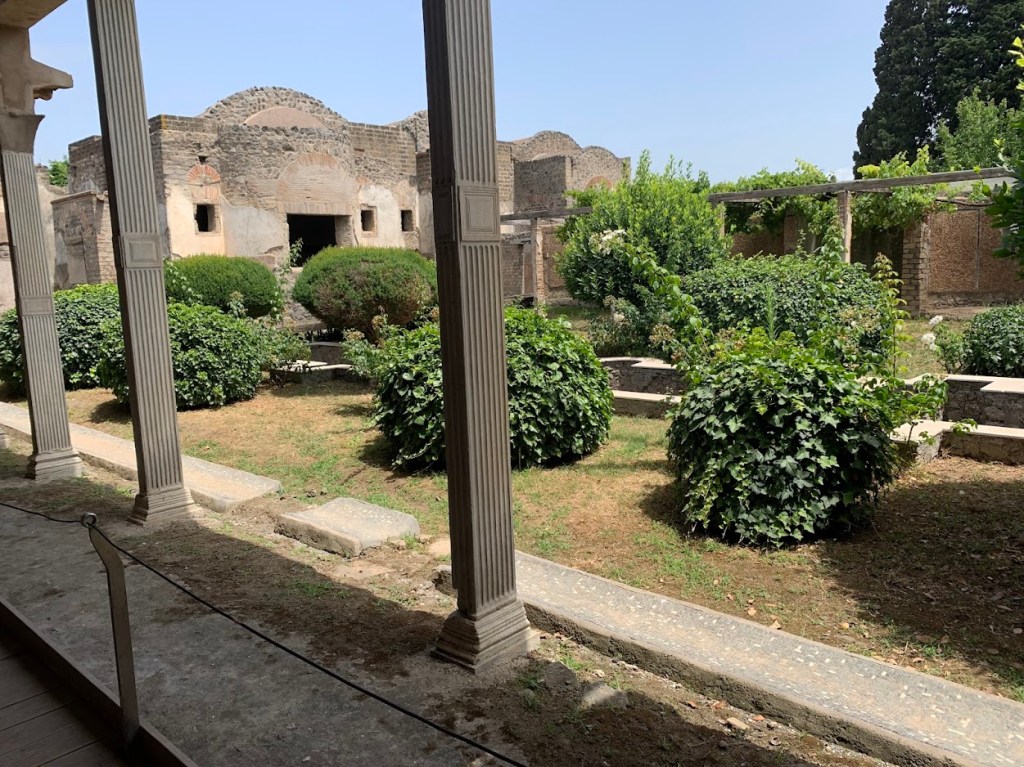
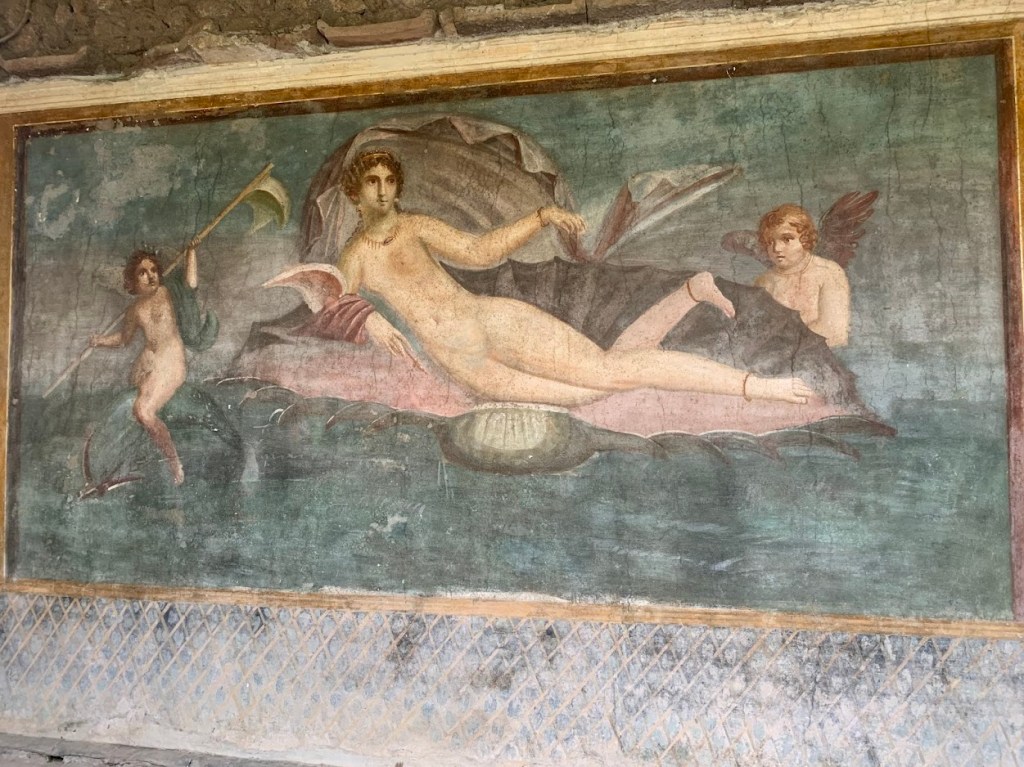
The House of Venus in a Shell contains a beautiful image of Venus, the Roman goddess of love, laying in a shell, which the House is named after. The vivid imagery of Venus was not just beautiful but also a reflection of how art and religion were intertwined in everyday Roman life.
Regio I
Walking through the streets, it is possible to imagine how impressive the city must have looked before the eruption. The white marble buildings, once gleaming in the sunlight, the vividly painted pillars and doors, and the cobbled streets lined with bustling markets and carriages all came to life in my imagination. The streets are dotted with stepping stones to allow citizens to cross without getting their feet wet, as there was no drainage system in Pompeii.
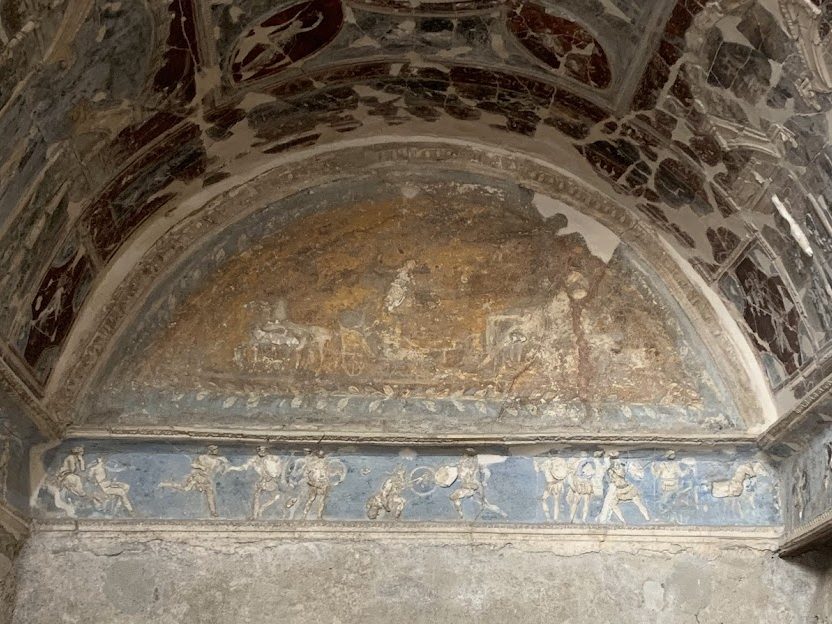
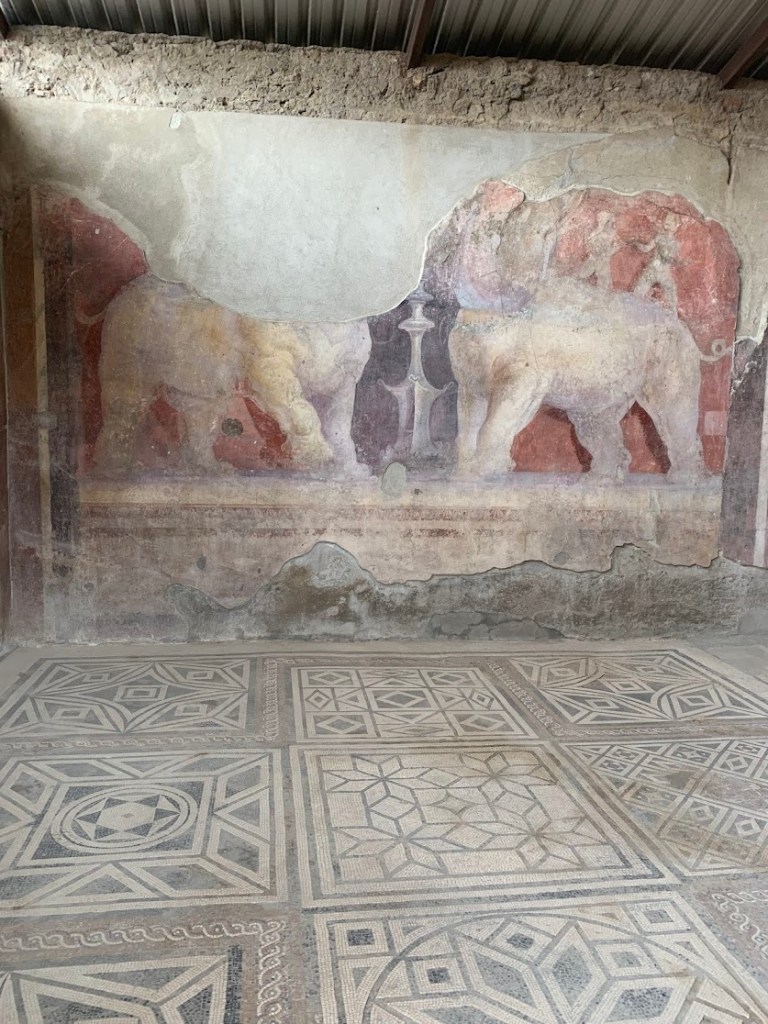
The House of the Lararium of Achilles is the house of the day on Wednesdays. The house owes its name to the stucco decoration of the room that opens into the atrium with scenes of the Trojan War. However further into the house, a room near the garden was decorated with a large fresco with two large elephants led by cupids.
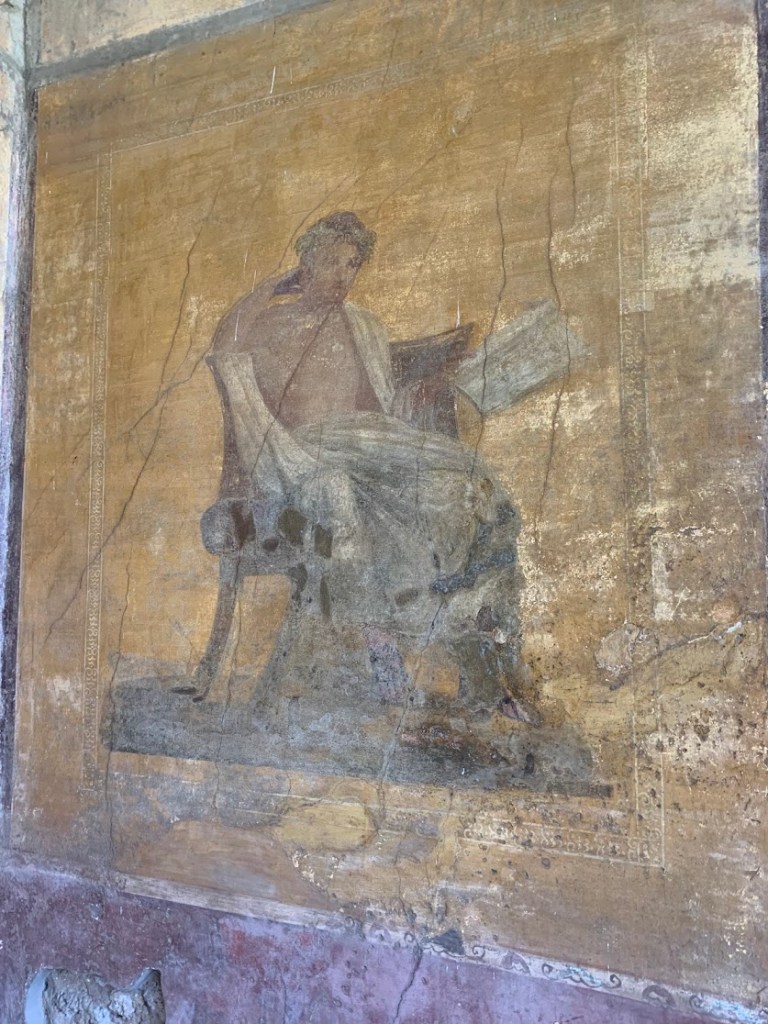
The House of Menander is a large house and home of a high ranking family. The house belonged to Quintus Poppaeus Sabinus of the Poppei family, relatives of the Empress Poppea Sabina, Emperor Nero’s second wife. The house’s atrium showcased scenes from Homeric epics, while the portico featured an image of Menander, an influential Athenian playwright, to whom the house owes its name. The south side leads to the rustic area, where the reconstruction of a wagon is exposed.
The House of the Europa Ship is named for the detailed graffiti etched on the north wall of the peristylium, where one sees a large cargo ship called “Europa” flanked by smaller vessels. It is interesting that the owners of the house who could afford frescos would scratch this detailed graffiti onto their wall.
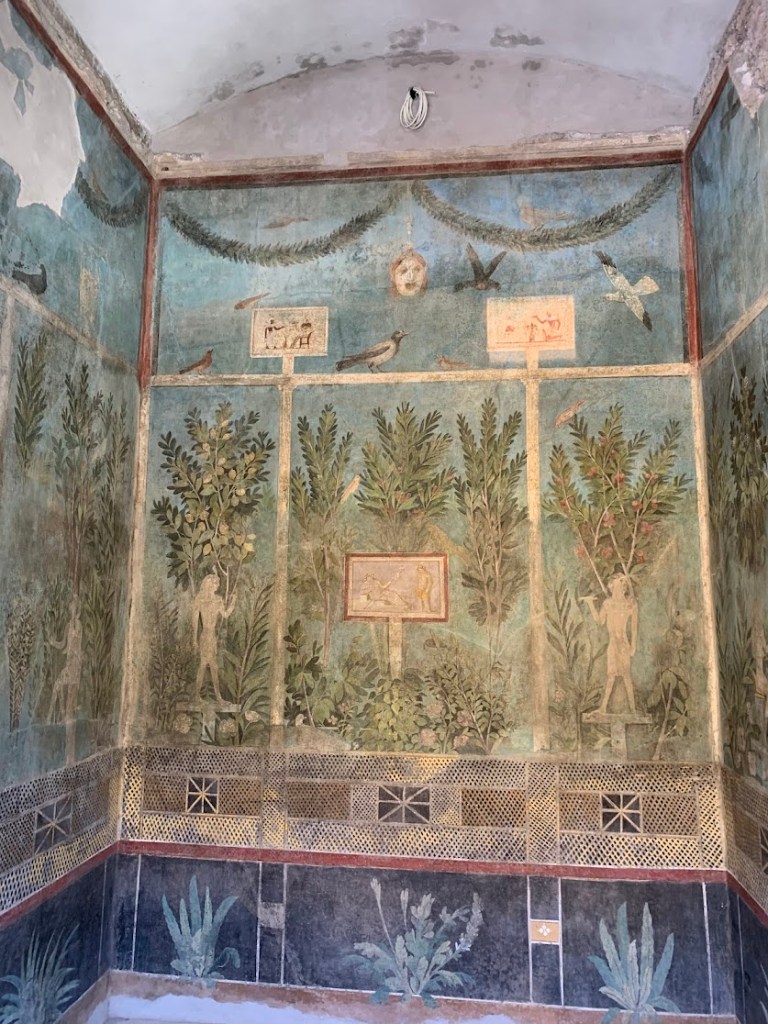
The House of the Orchard is the house of the day on Thursdays and I would recommend this house if you have the opportunity. This house has beautiful paintings of lush gardens enriched by Egyptian style motifs. The frescoes depicting fruit trees and greenery were so lifelike that I felt transported to a tranquil Roman garden.
Regio VIII
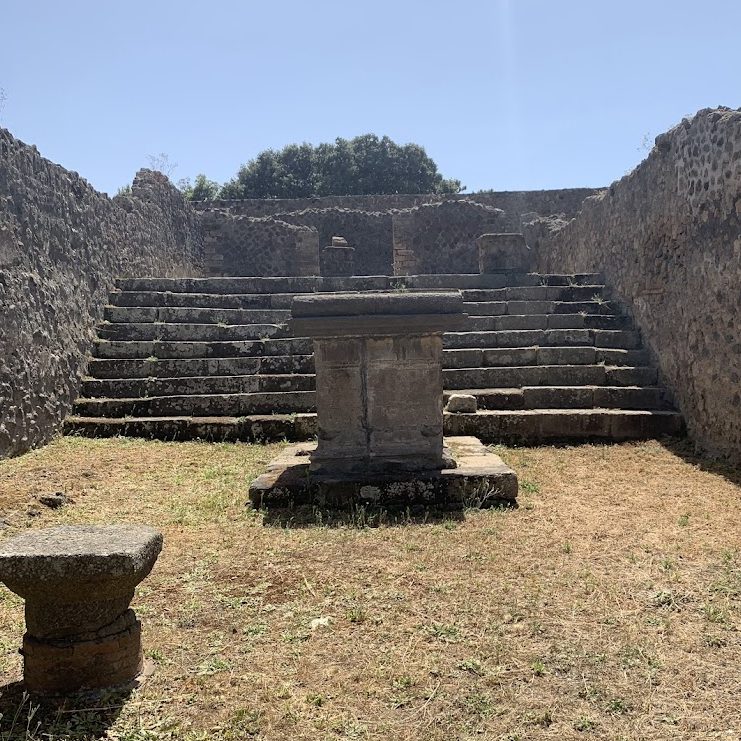
Regio III encompasses many civic and religious buildings, reflecting the administrative and spiritual life of Pompeii. Exploring Regio III, I felt the weight of civic and spiritual life.
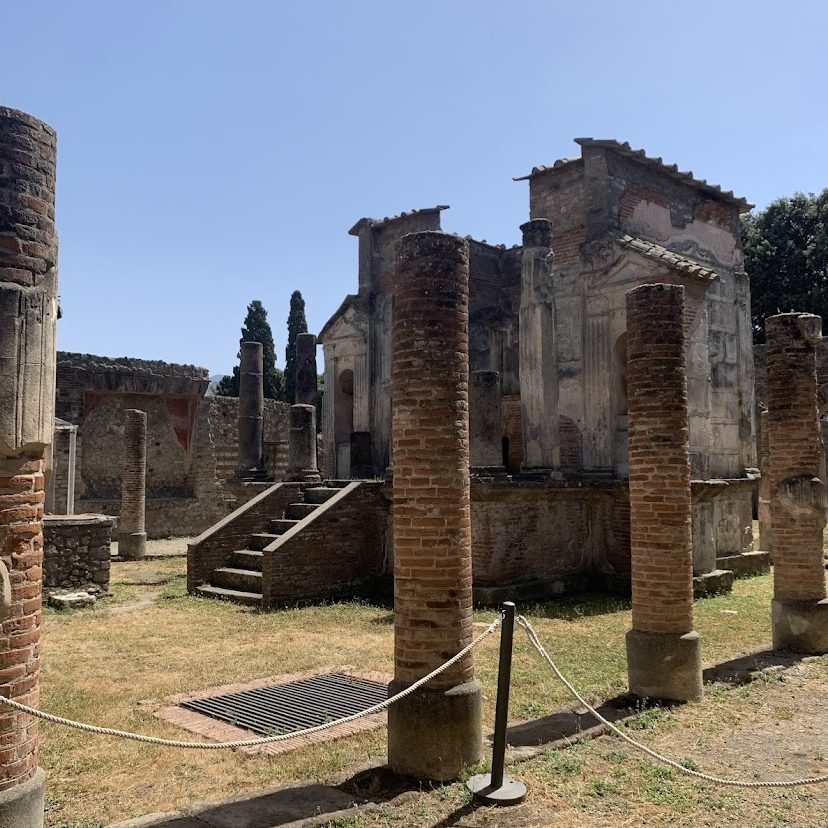
The Temple of Isis, with its rich and elaborate decorations, was a testament to the integration of Egyptian deities into Roman religious practices. This site was a powerful reminder of the cultural exchanges that took place in ancient Rome.
The Basilica and the Sanctuary of Venus were also notable landmarks. The Basilica, with its grand architectural design, was a center for legal and commercial activities, while the Sanctuary of Venus illustrated the importance of religious worship in daily life. The temple’s location offered stunning views of the surrounding area, adding to the spiritual experience.
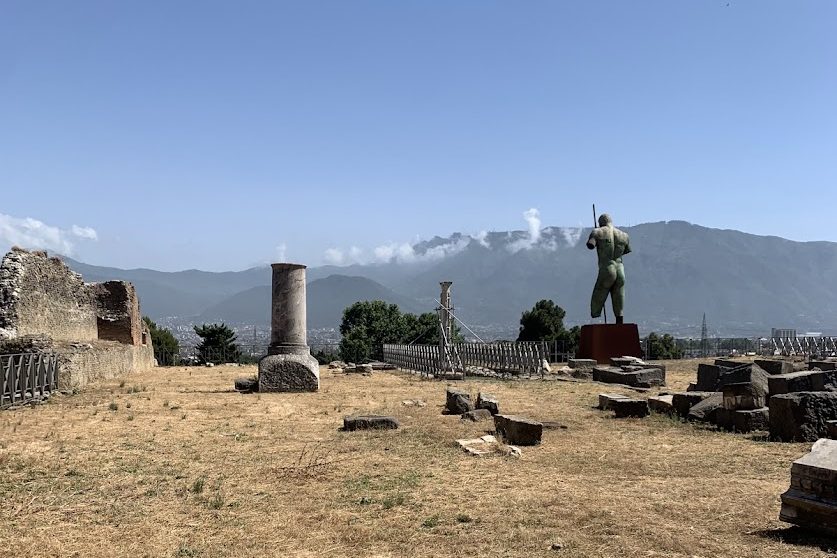
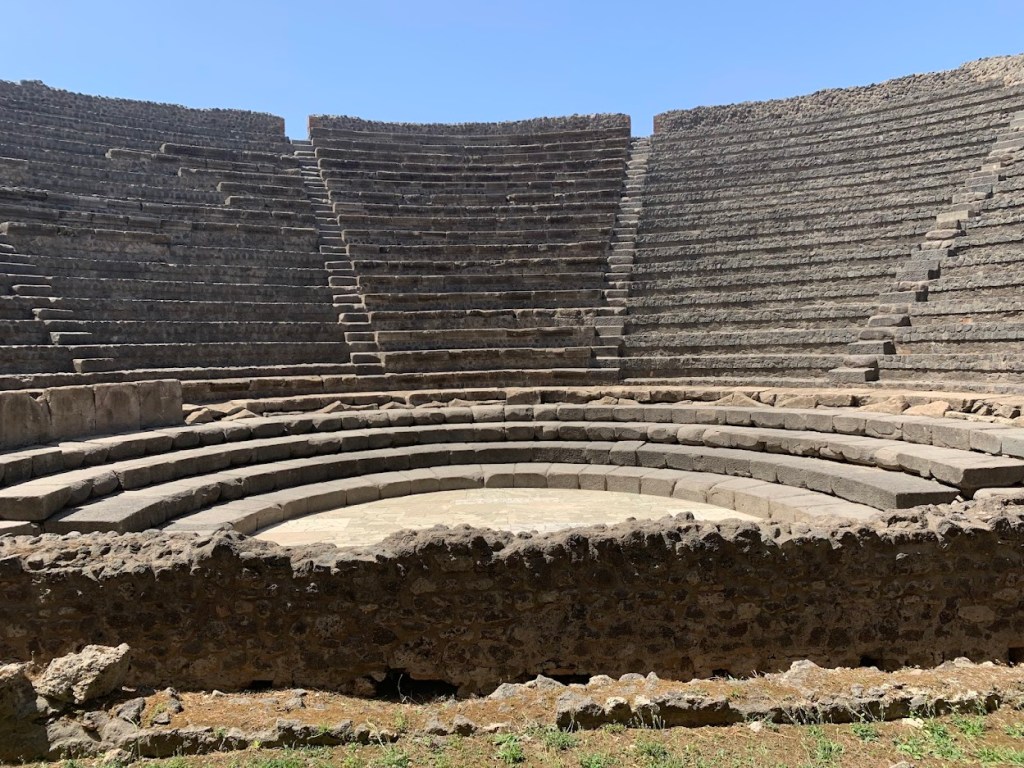
The Large Theater, with its imposing scale, showcased the cultural significance of public performances and entertainment in Pompeian society. The architecture of the theater, with its tiered seating and large stage, was both functional and beautiful. It was easy to picture the excitement and energy that must have filled this space during performances. This visit was a highlight of my trip, offering a glimpse into the vibrant cultural life of ancient Pompeii.
Regio VII
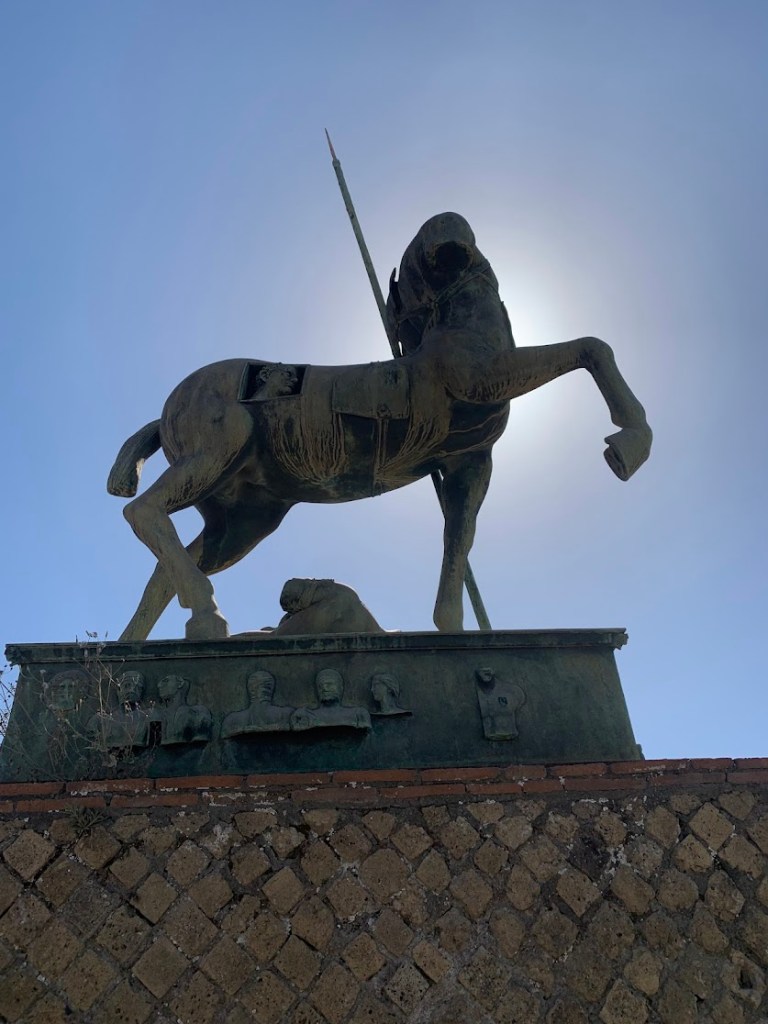
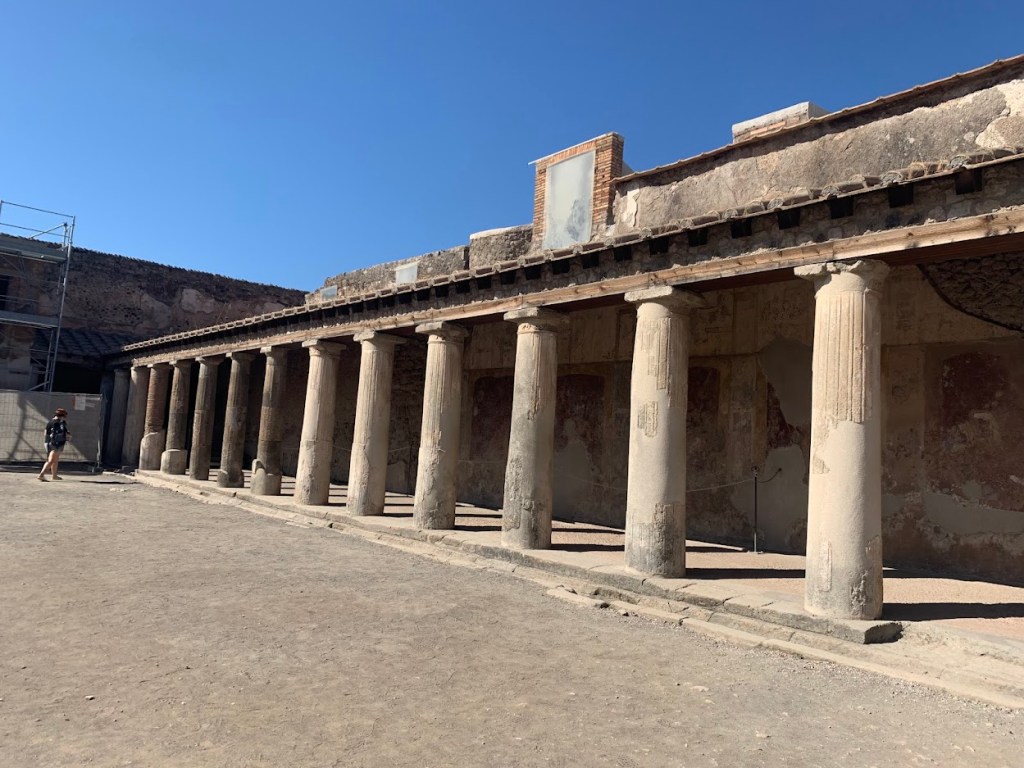
Regio VII includes the Forum and other key commercial areas, highlighting the economic heartbeat of Pompeii. Regio VII was bustling with history. The Forum, with its grand structures and statues, felt like stepping into the epicenter of ancient civic life. The Stabian Baths provided insights into the social and hygienic practices of the Romans.
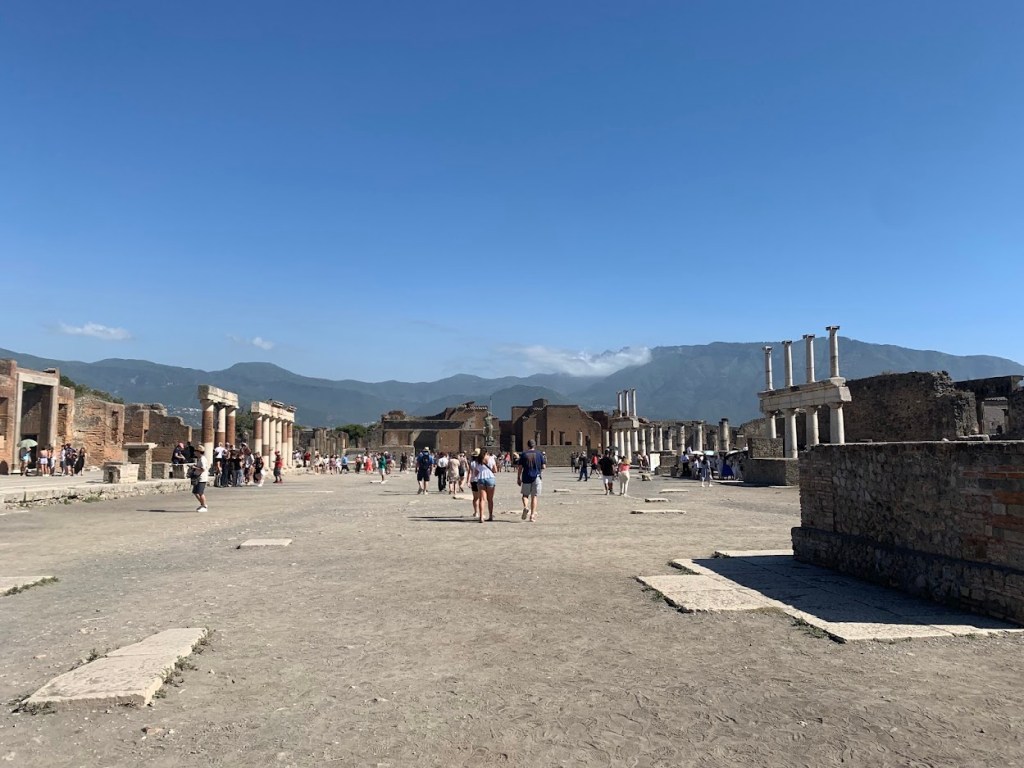
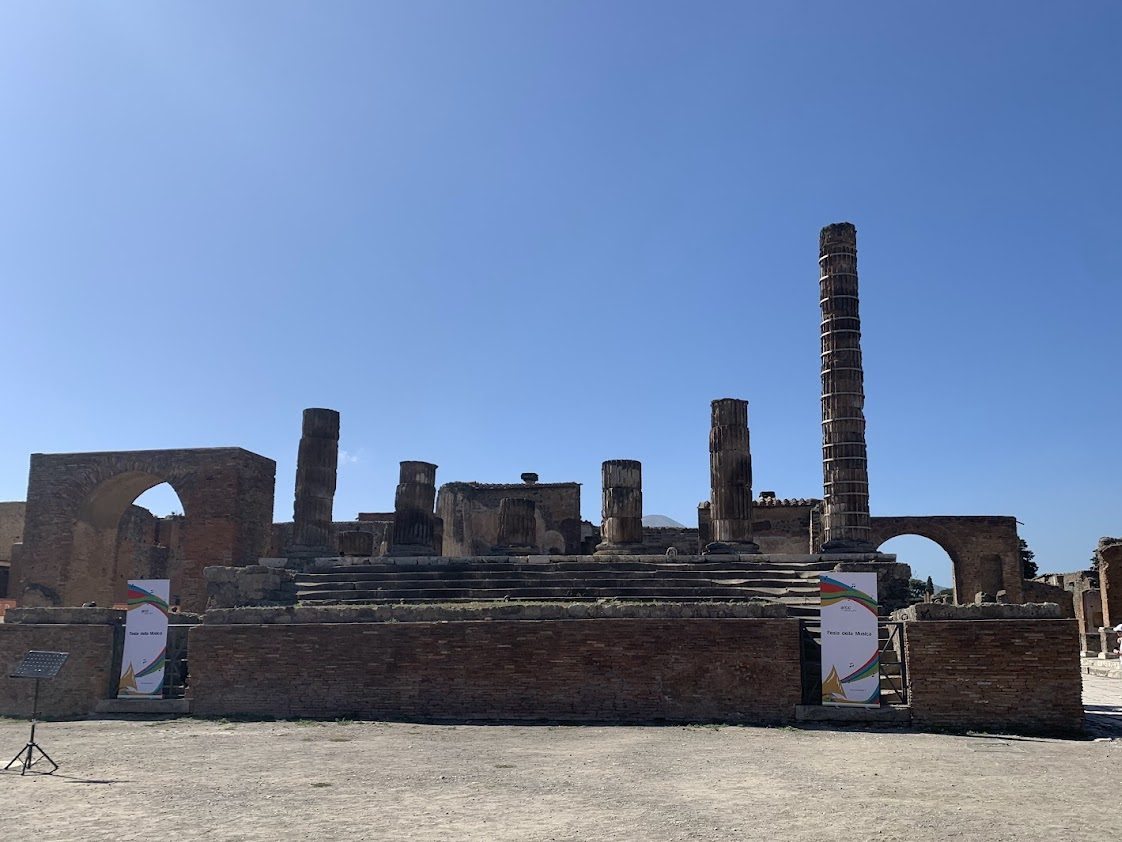
The Forum was the central marketplace and social hub, it was the focal point of public life in Pompeii. Walking through the Forum, I was struck by the sheer scale and grandeur of the space, which served as a central hub for social, political, and economic activities.
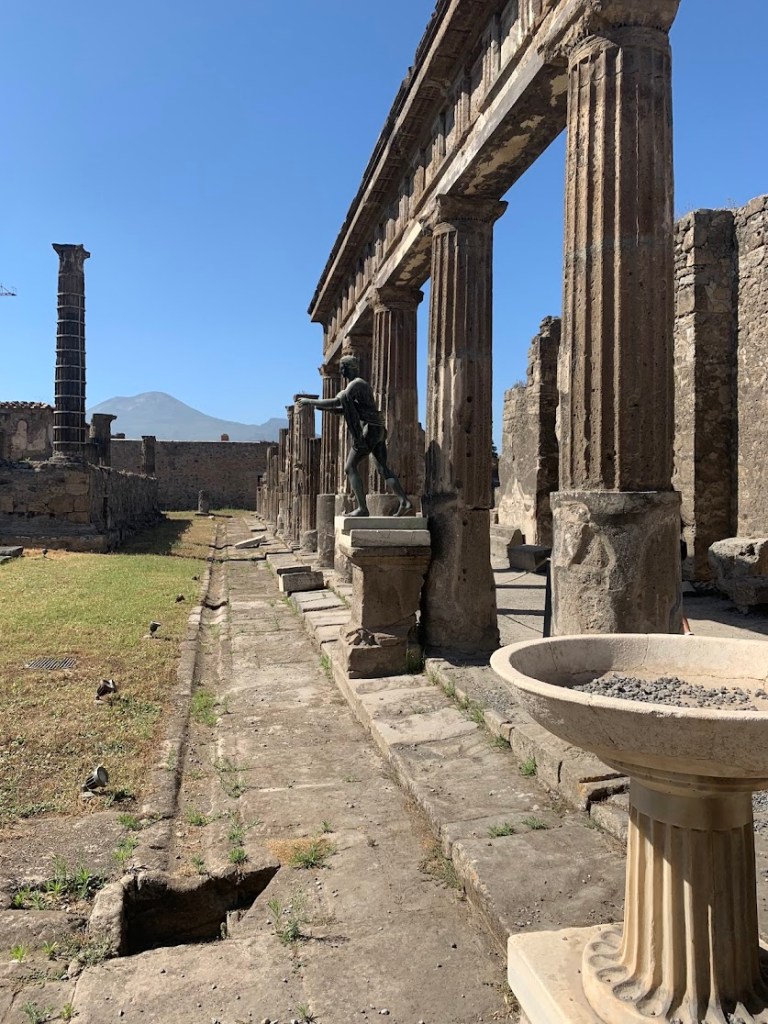
The Sanctuary of Apollo is one of the oldest places of worship in Pompeii. Apollo and his twin sister, Diana were both depicted in bronze sculptures from the Hellenistic period, preserved in the National Archaeological Museum of Naples, with copies now exhibited here. The temple’s elegant columns and the statue of Apollo stood as silent witnesses to centuries of worship and devotion. The sanctuary provided a serene space for reflection amid the ruins.
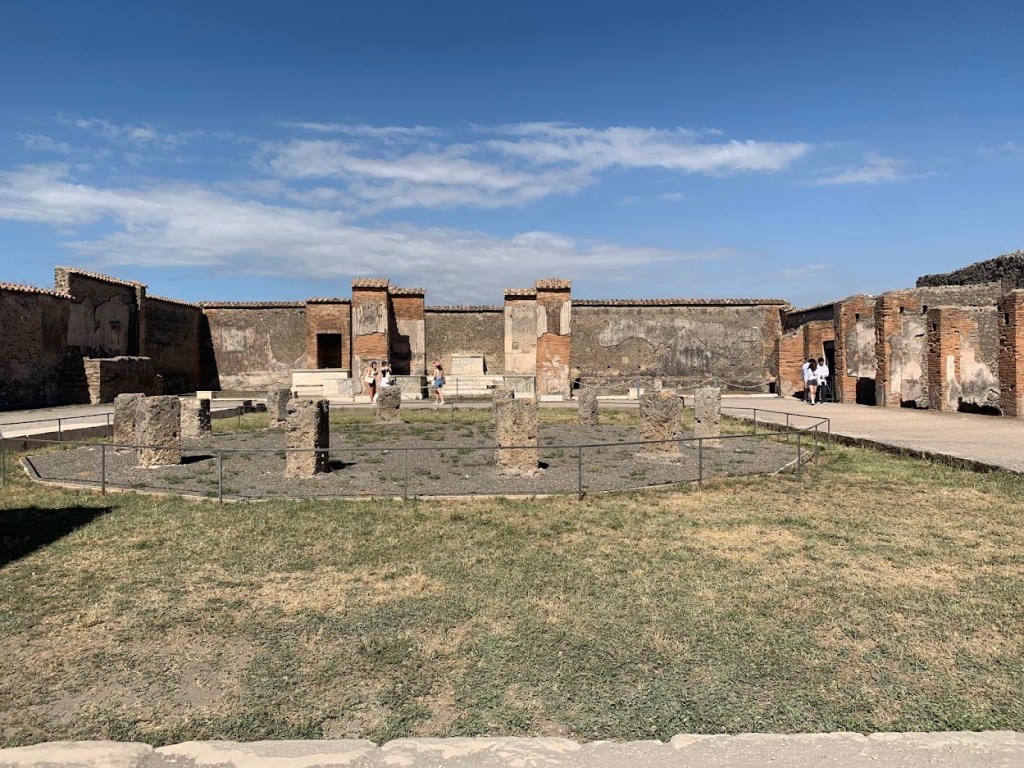
The Macellum, Pompeii’s central market, was a hive of activity in ancient times. The remnants of market stalls and the layout of the space gave a tangible sense of ancient commerce. Imagining the bustling marketplace, with vendors selling goods and citizens haggling over prices, brought the ancient economy to life. Walking through this area, I could almost hear the lively exchanges and transactions of ancient merchants and customers.
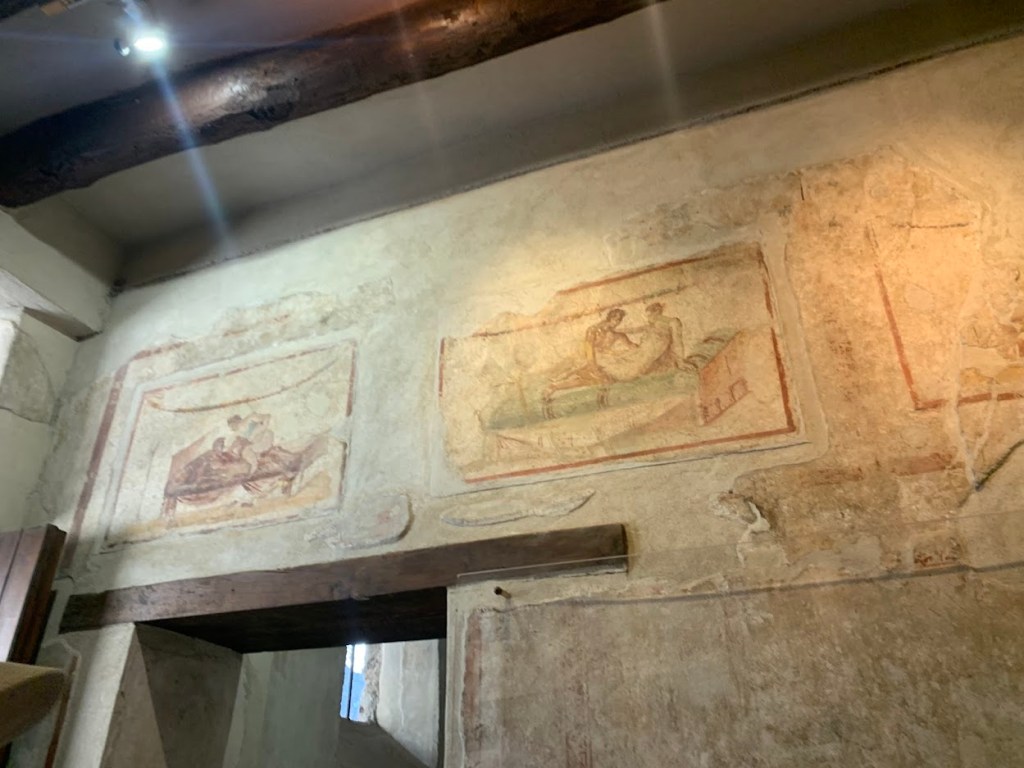
The Lupanar, Pompeii’s most famous brothel, offered a unique and somewhat controversial insight into the city’s social life. The explicit frescoes and the small, cramped rooms provided a stark contrast to the grandeur of other sites. The homes of the owner and the slaves are at the top and there are five rooms at the bottom, all fitted with a very small built-in bed, on both sides of the corridor that connects the two entrances of the ground floor. Small paintings with erotic depictions on the walls of the central corridor informed customers of the activities that took place within the Lupanar. The graffiti on the walls, left by both clients and workers, added a human element to the space.
Regio V
The House of Cecilio Giocondo, also known as Lucius Caecilius Iucundus, has been on my bucket list since high school due the character Caecilius in the Cambridge Latin Course, a British series of Latin textbooks based around the life of Caecilius and his family.
Regio VI
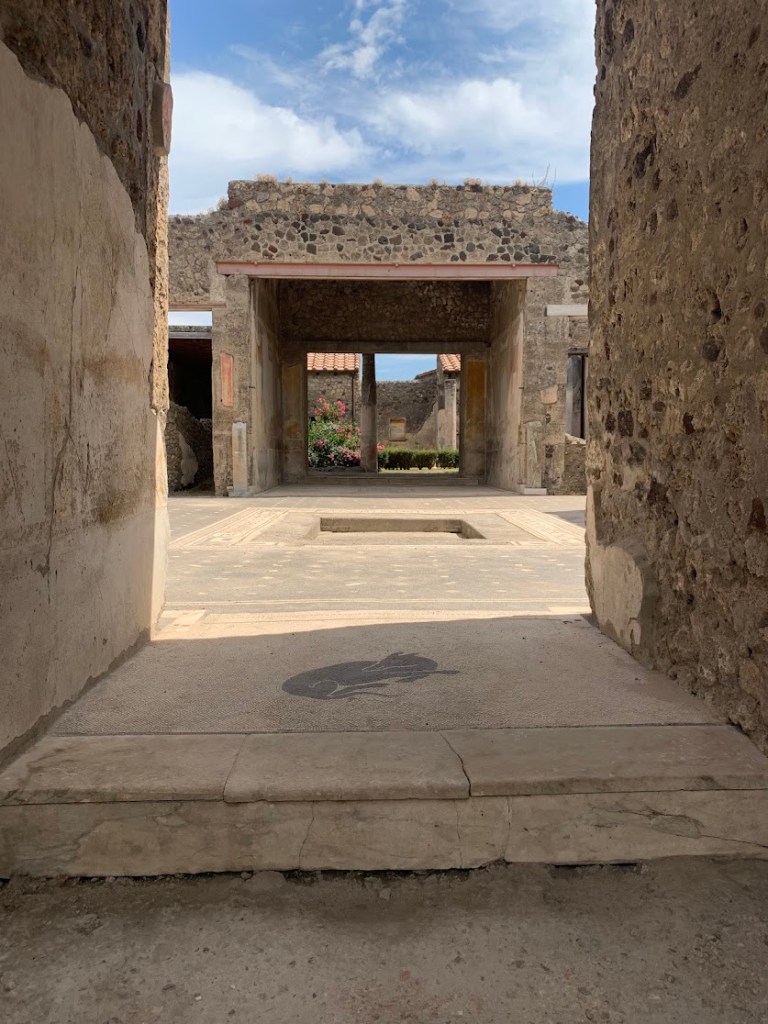
Regio IV is predominantly residential, offering a look into the daily lives of Pompeii’s inhabitants through its well-preserved homes and streets. Regio IV’s residences were intimate and detailed. Many of these are laid out in the typical Roman style, illustrating the propensity towards appearance over practicality. Large reception rooms had tiny bedrooms and kitchens leading off them, and many had indoor gardens as well as the rain pool in the central atrium.
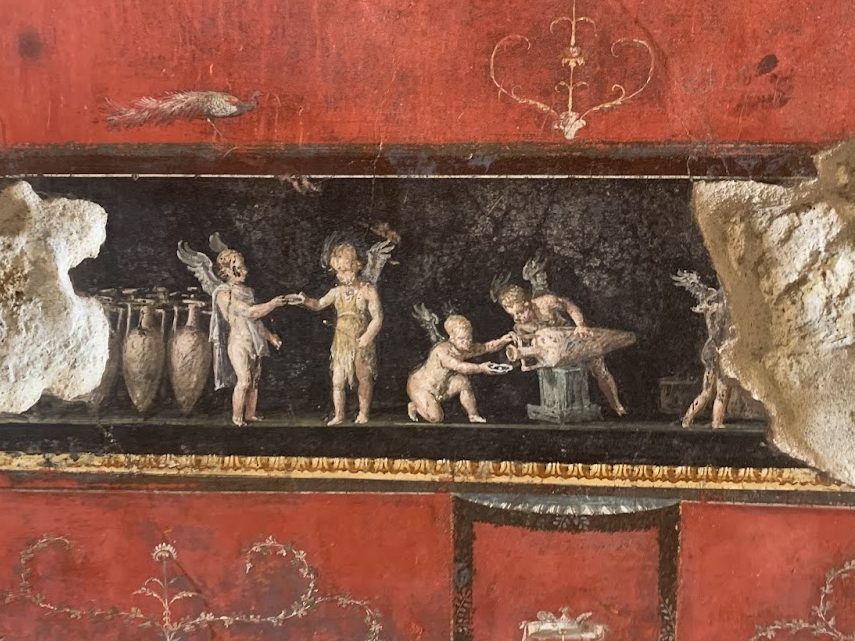
The wall paintings and murals really made the buildings come to life. Some had rooms and paintings which were almost intact, others just fragments of wall color or nothing left at all. In the wealthier houses, enormous murals of hunting scenes, battles and the lives of different Roman Gods and heroes are played out in beautifully colorful splendor.
The House of the Faun, one of the largest and most impressive residences in Pompeii, was a treasure trove of art and architecture. The elegant courtyards were breathtaking. The large garden and peristyle were particularly impressive, providing a serene escape within the bustling city.
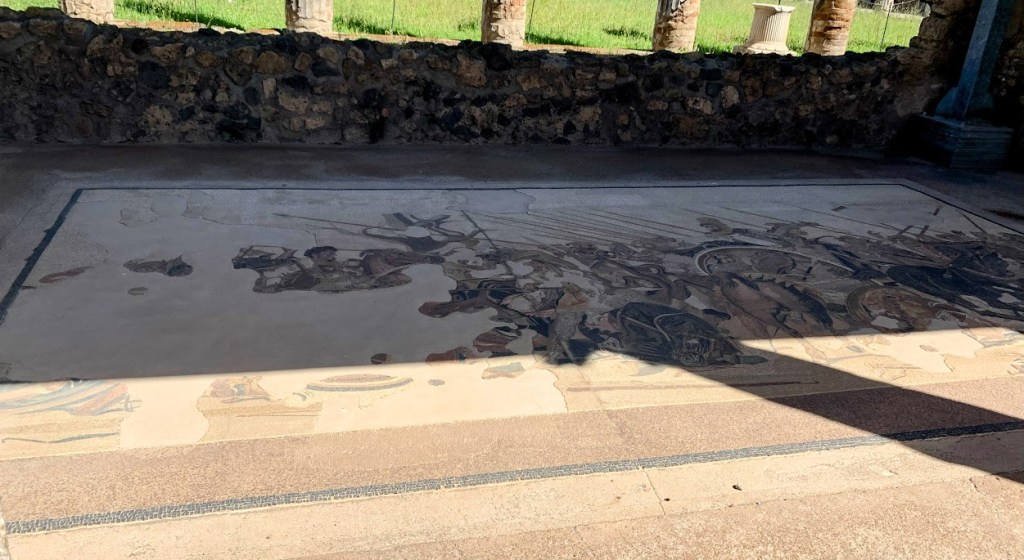
Set in the garden was a replica of Alexander the Great Mosaic, which was a dream come true to behold it. This visit was a highlight of my trip, offering a glimpse into the opulence of ancient Pompeian life.
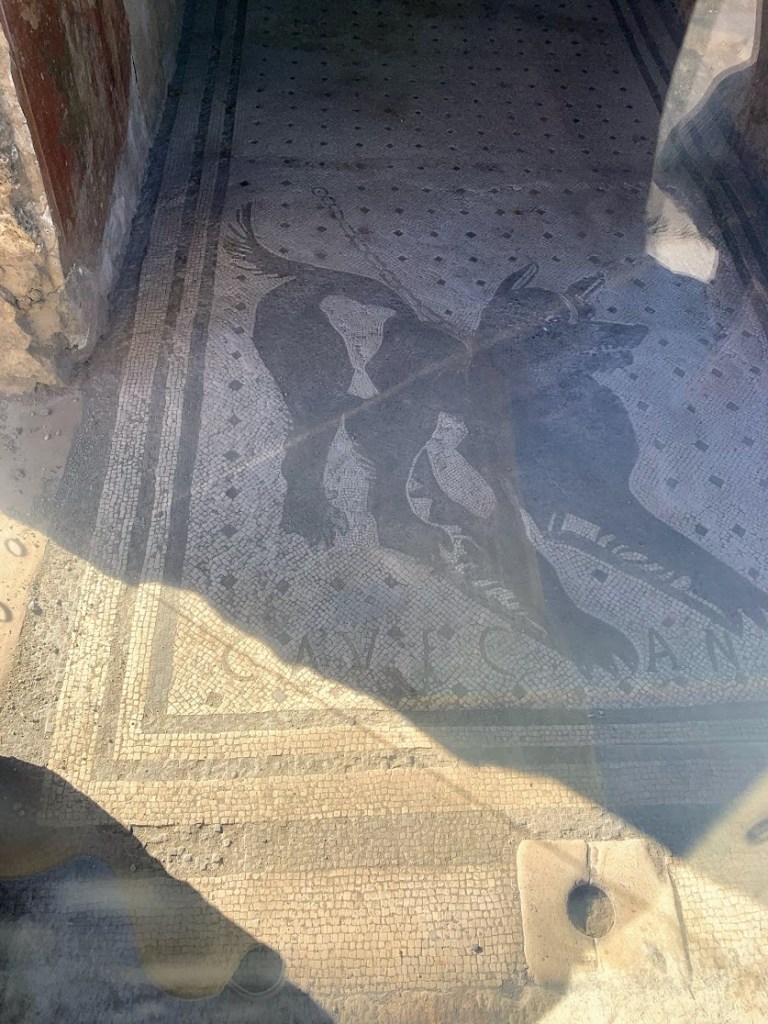
The House of the Tragic Poet, though small, was richly decorated with intricate mosaics and frescoes. I was particularly struck by the mosaic at the entrance, which set the tone for the rest of the house. Cave Canem – Beware of Dog.
The House of the Vettii is one of my favorite houses in Pompeii. I presented on its amazing frescos for my Pompeii course.
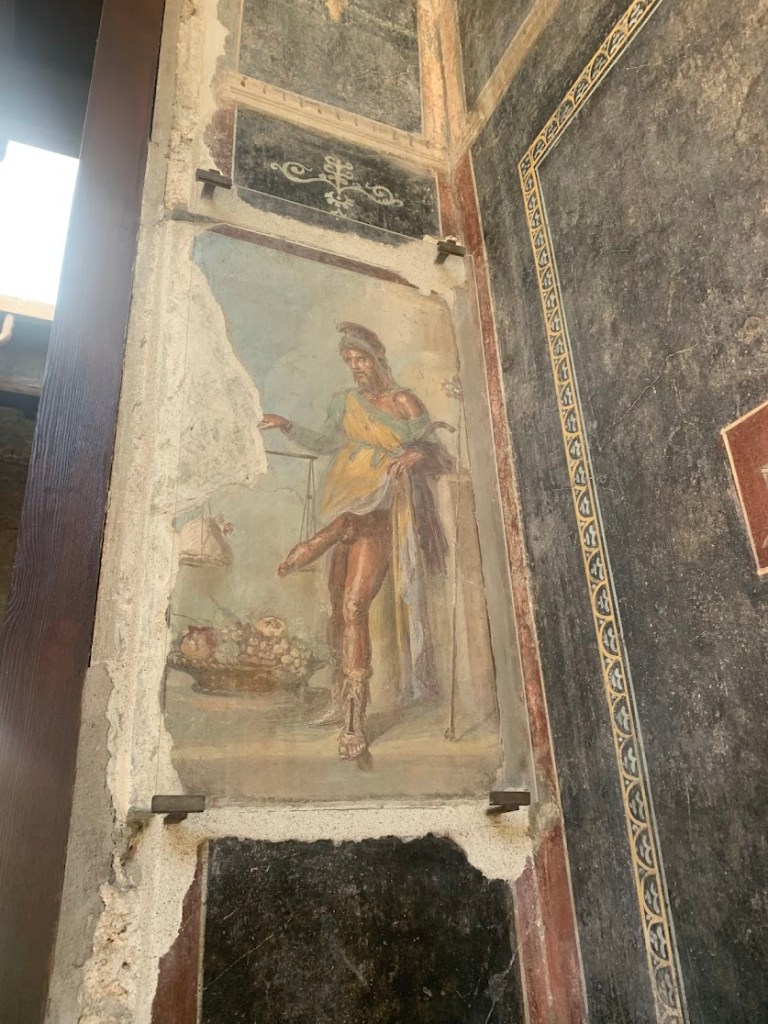
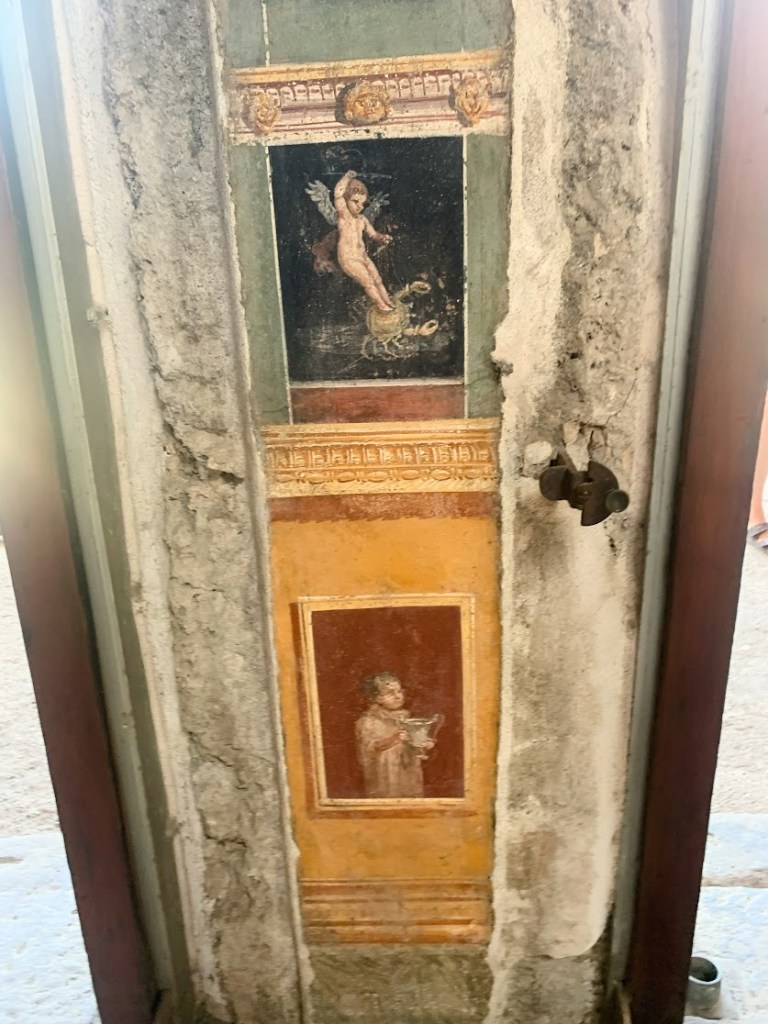
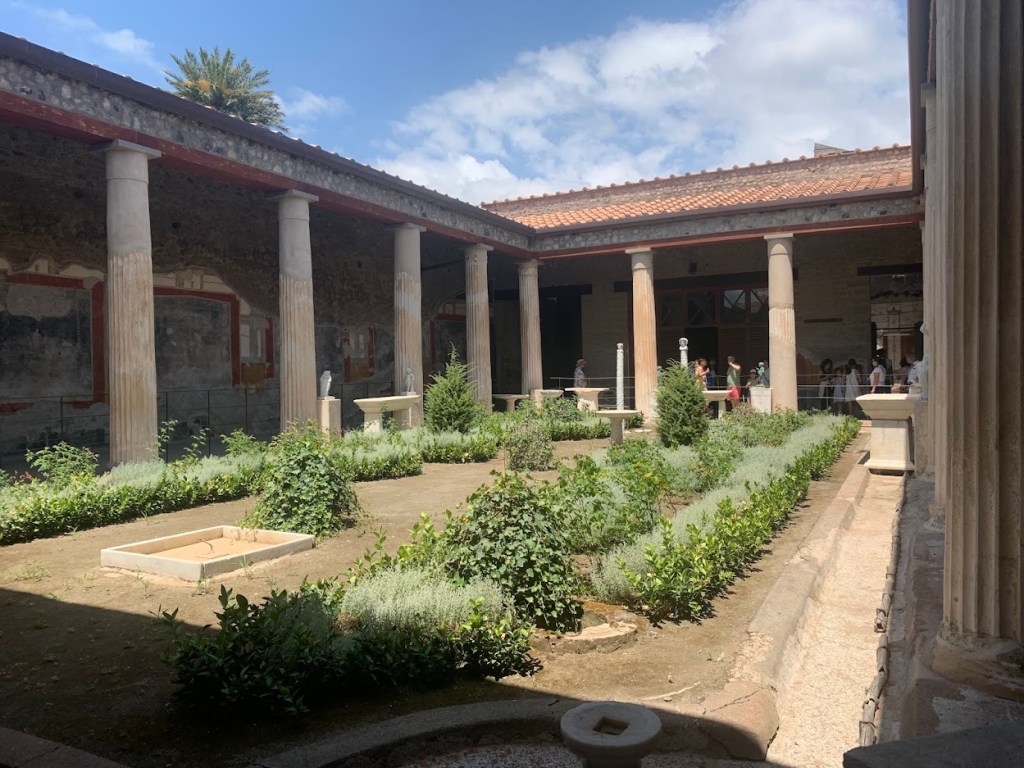
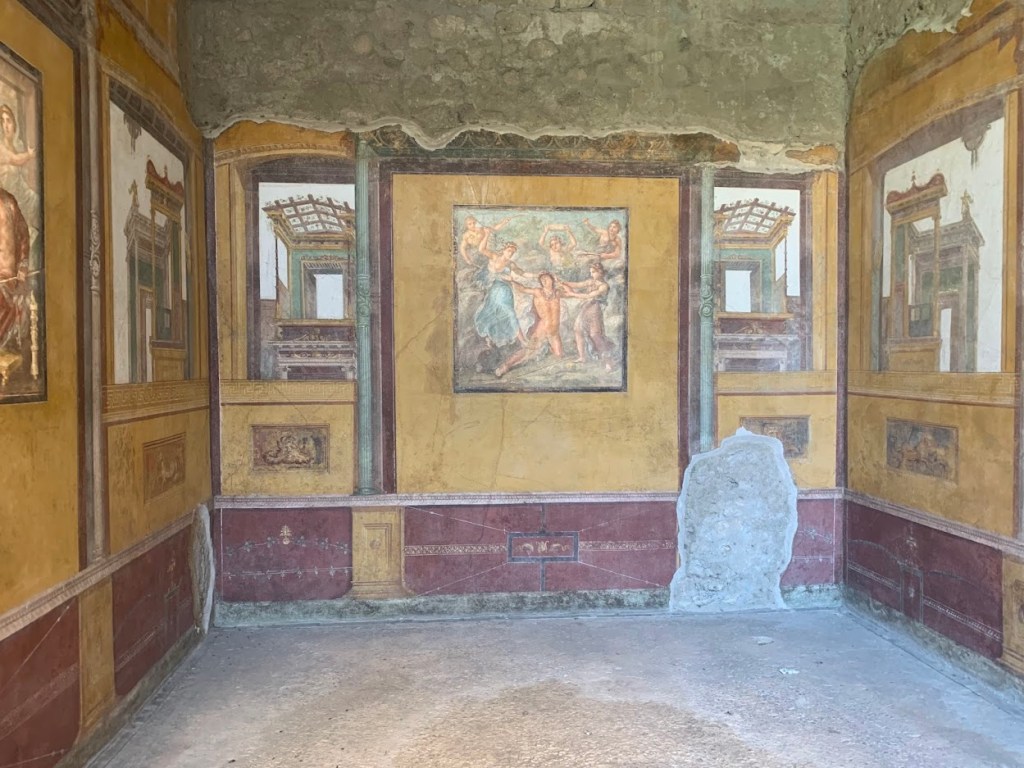
The House of the Vettii is famous for its erotic frescoes and opulent decoration. It is simply so beautiful to behold.
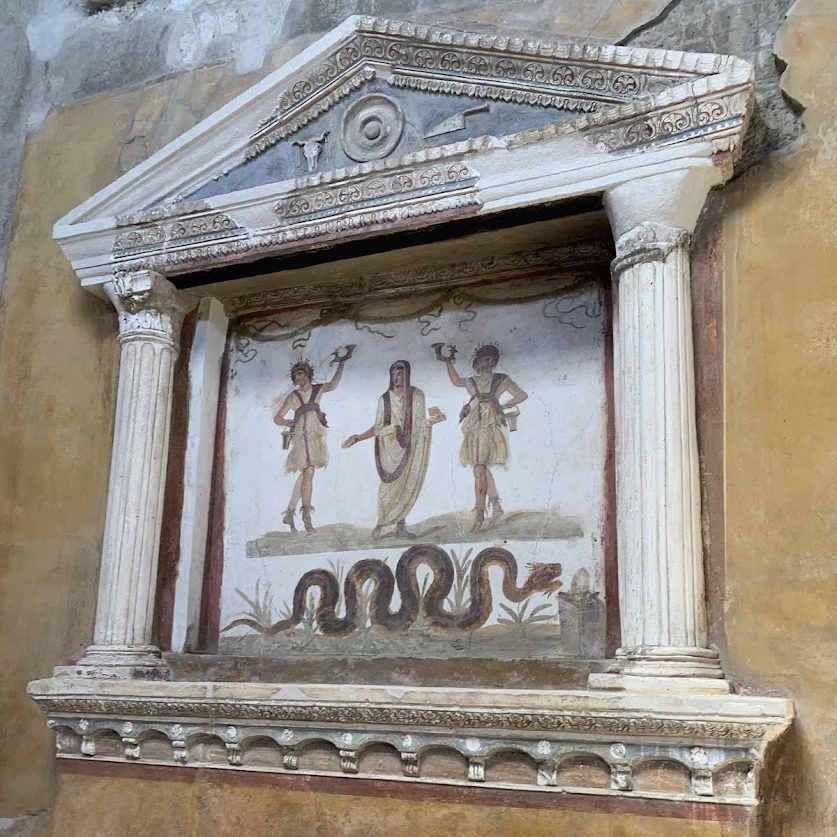
House of the Dioscuri
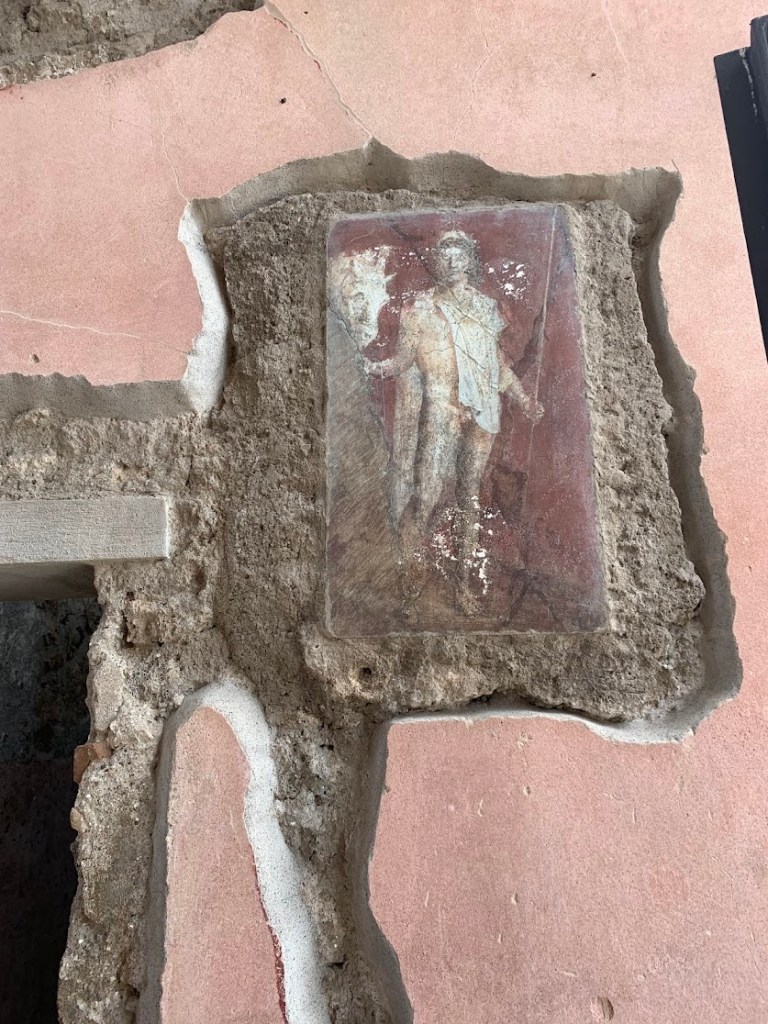
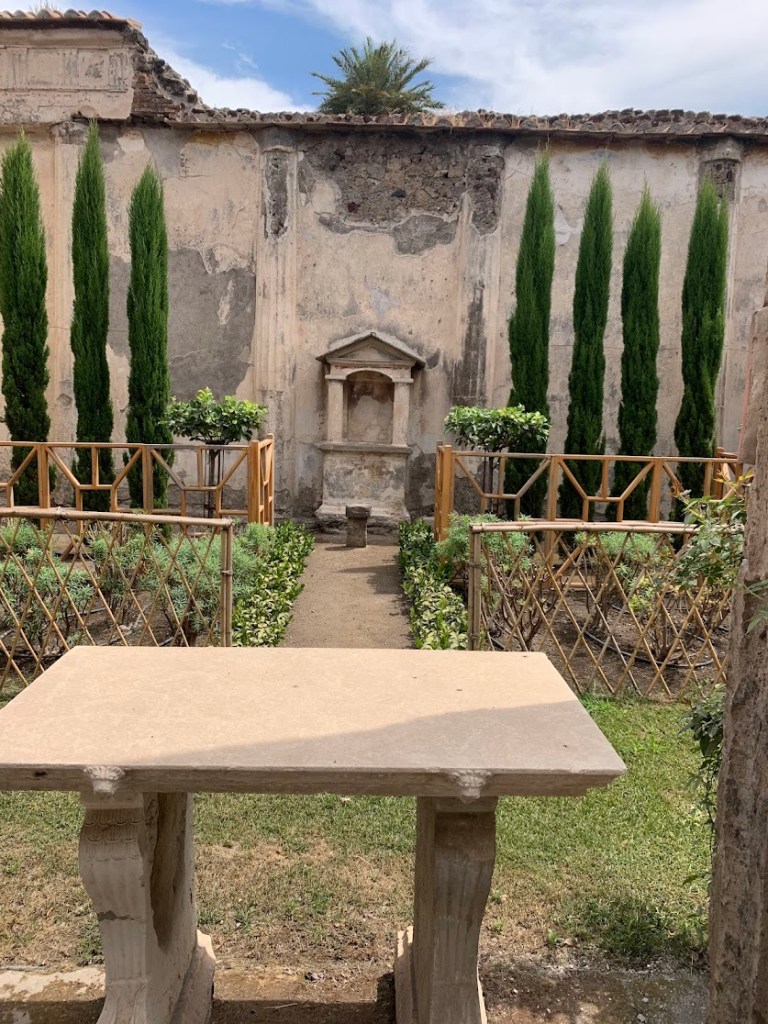
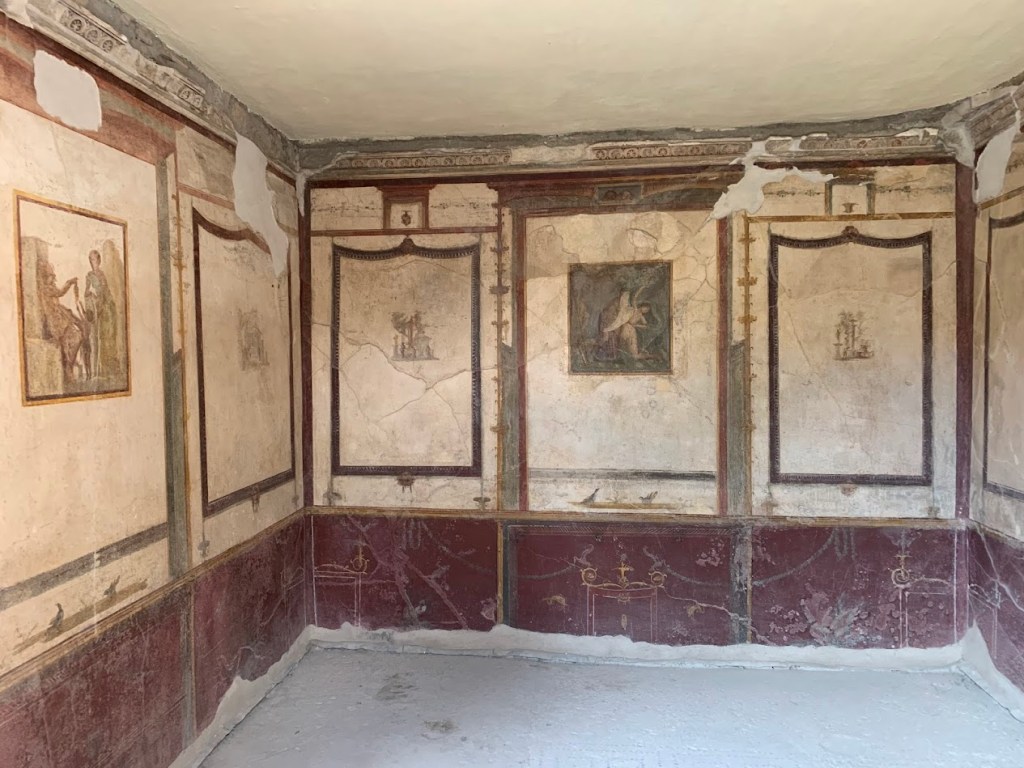
The Villa of Diomede, located outside the city walls, offered a peaceful retreat with its grandiose architecture and stunning views.
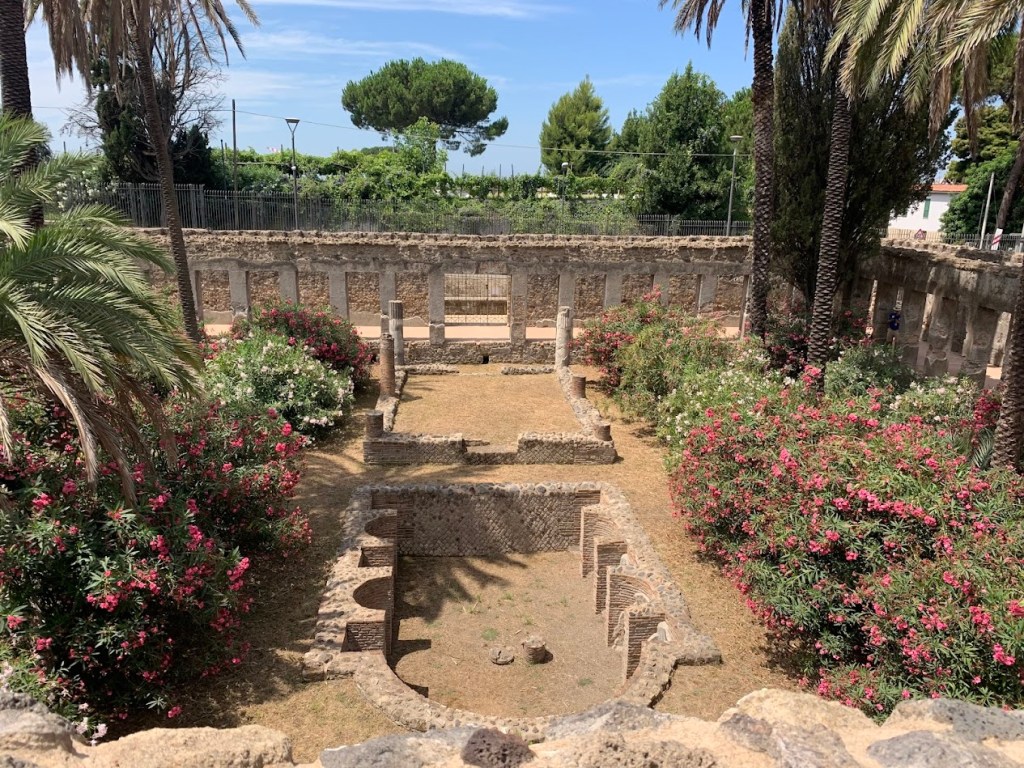
The villa’s extensive grounds and luxurious baths highlighted the opulence enjoyed by some of Pompeii’s wealthiest residents. The villa was beautifully preserved, with elegant frescoes and spacious rooms. The Villa of Diomede was a testament to the wealth and status of its owners, offering a stark contrast to the more modest homes within the city. This visit was a peaceful and relaxing exploration of Pompeian luxury. The villa’s location provided stunning views of the surrounding countryside, adding to its allure
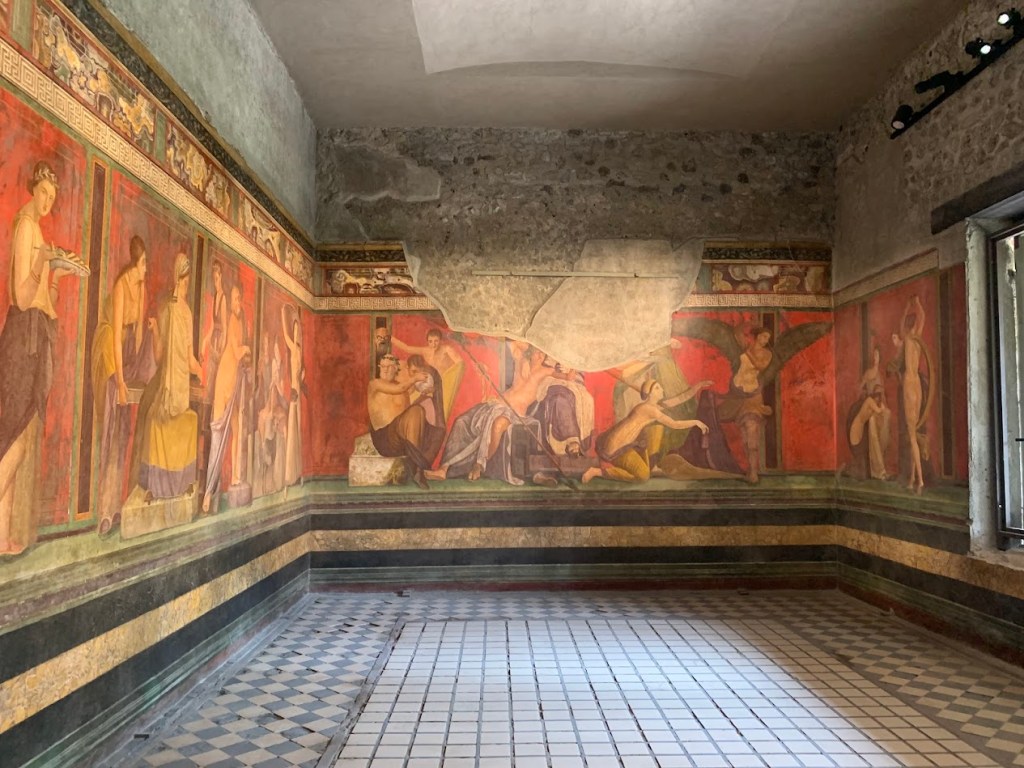
The Villa of the Mysteries, with its enigmatic frescoes depicting initiation rites, left a lasting impression. The vivid colors and intricate details of the paintings were mesmerizing, offering a glimpse into the mysterious religious practices of the time.
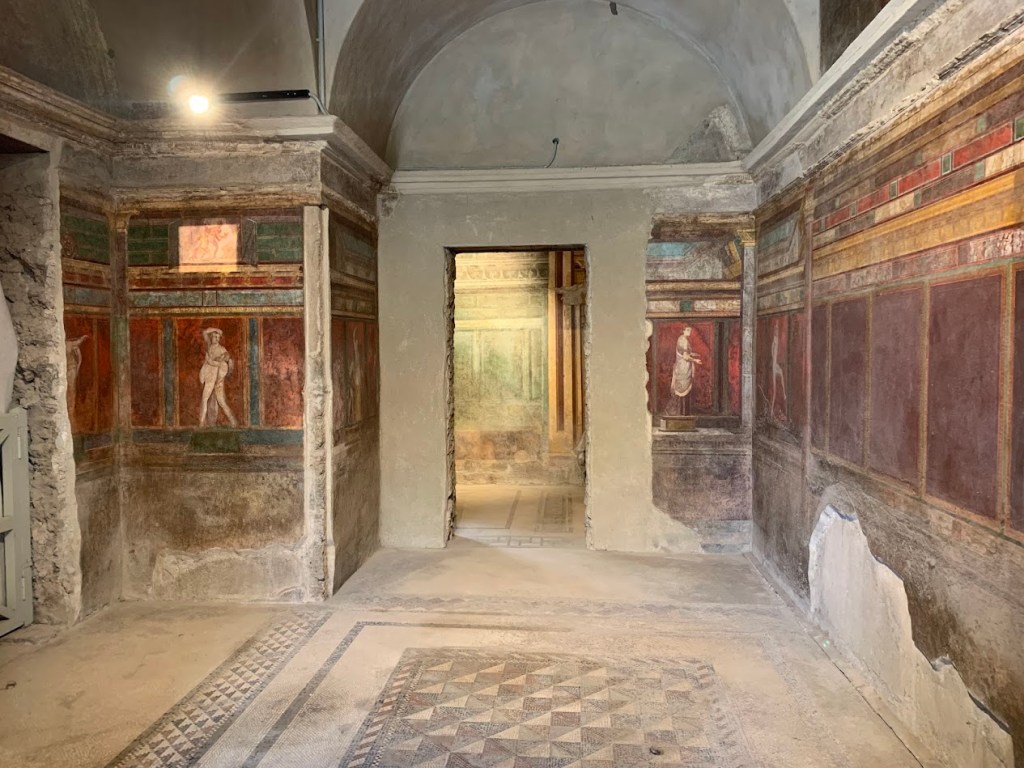
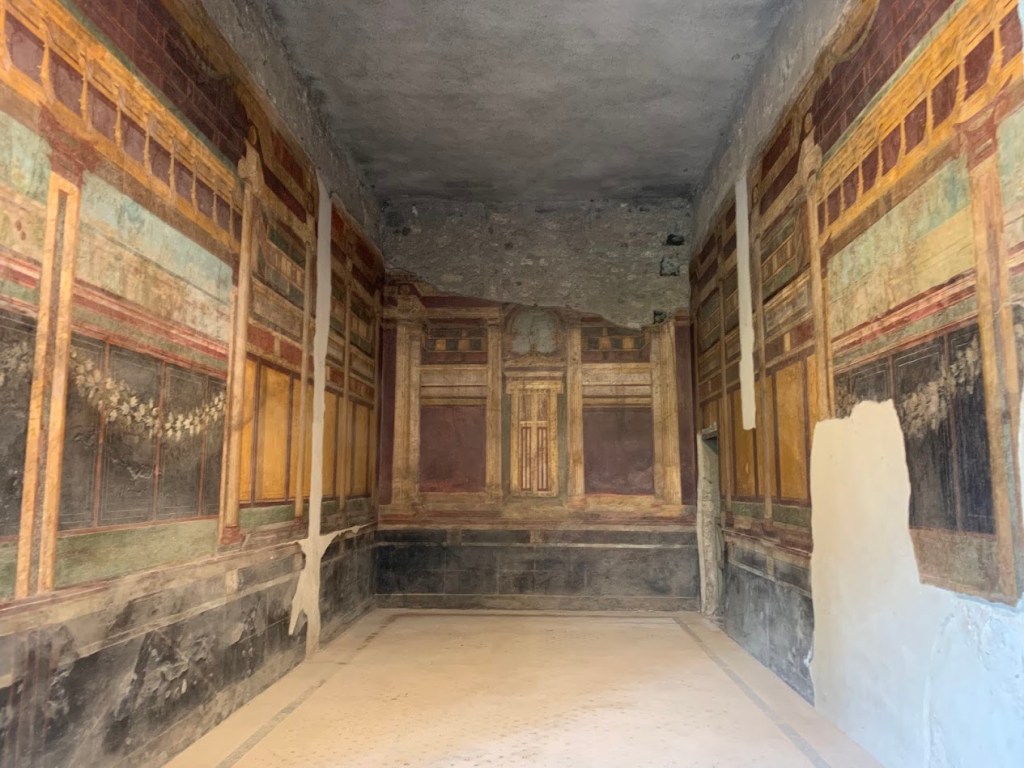
The frescoes in the Villa of the Mysteries are particularly famous for their depiction of a Dionysian initiation ceremony. The life-sized figures, dramatic poses, and rich symbolism suggest a narrative of transformation and enlightenment, possibly related to the cult of Dionysus.
Regio IV is not open to the public because it has not been extensively explored yet
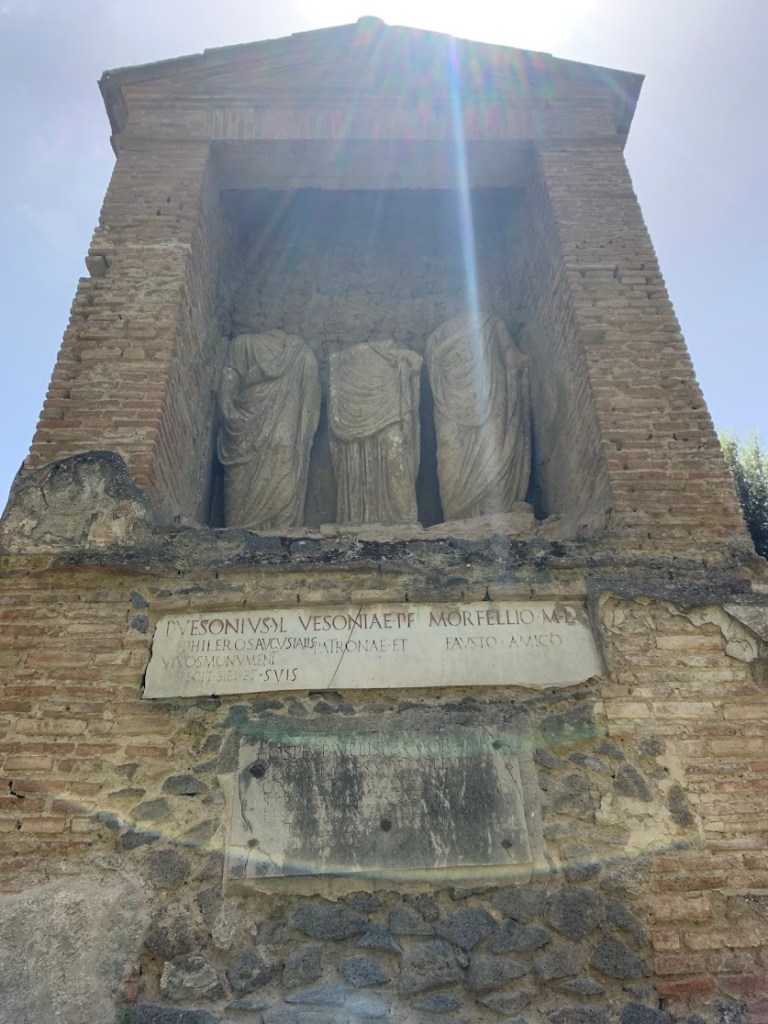
On my way to leave, I passed through the neocropolis of Pompeii. Walking through the necropolis was hauntingly ironic, seeing the graves of those who had been mourned before the entire city’s population had been wiped out was an eerie experience.
My Thoughts on Pompeii
Before visiting the ruins, my impression of Pompeii came from college classes and what I had seen in the media. I had always thought of Pompeii as a small city that got buried in a volcanic eruption. Until I had visited I could not comprehend the sheer scale of Pompeii. It is an unsettling sight, as you start to understand the scope of the disaster. Especially when you walk along Via Delle Abbondanza and you see the unexcavated area of Pompeii and see what remains of the hill that once covered all of Pompeii.
Visiting Pompeii was an unforgettable experience, providing an unparalleled window into ancient Roman life. The city’s meticulous preservation, from grand temples and luxurious villas to humble workshops and vibrant markets, paints a comprehensive picture of its society. Each region offered unique insights, revealing the complexities and nuances of Pompeian culture. Visiting Pompeii was an unforgettable journey into the past. Each house and site I explored provided a unique glimpse into the lives of its ancient residents. From grand villas and bustling marketplaces to serene gardens and sacred temples, Pompeii is a testament to the richness and complexity of Roman life.
As an archaeologist, I was deeply moved by the stories etched into the walls and streets of Pompeii. Through the programmata, graffiti, statues, frescos, mosaics. It all serves a reminder of humans that made Pompeii. Pompeii is not just a collection of ruins; it is a living, breathing testament to the resilience and ingenuity of its people. This experience deepened my appreciation for the field and reinforced my passion for uncovering the stories of the past. For anyone interested in history and archaeology, Pompeii is a must-visit. It offers a profound connection to the past, allowing visitors to walk in the footsteps of ancient Romans and witness the enduring legacy of their civilization.
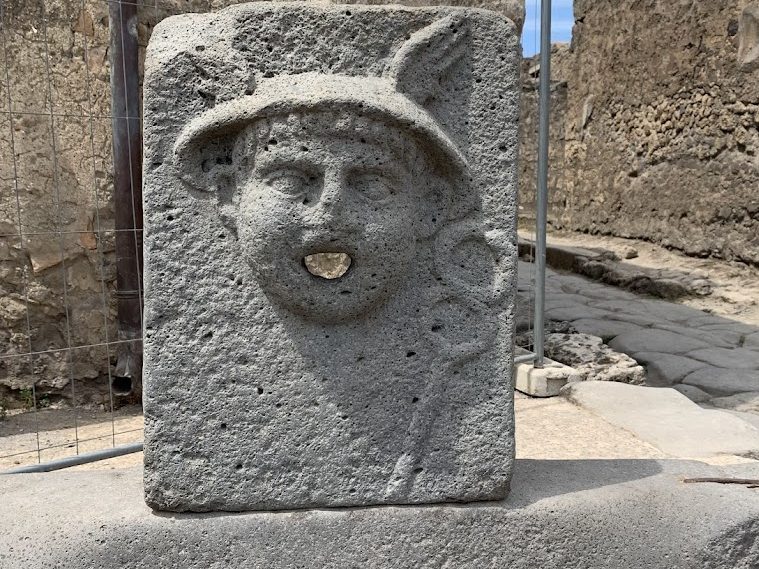
Although the site of Pompeii illustrates how time stood still for the Roman, it also illustrates how time and life move forward. Along Via Di Nocera one can see the early evidence of looting in Pompeii. There is new life in the gardens in Pompeii, blooming flowers and tall trees. Archaeologists excavating in Pompeii, interacting with objects and houses that have not been touched since 79 CE and beyond. Tourists using the same fountains that were used nearly 2000 years ago. There is new life in Pompeii.
 Digging Through the Ages
Leave a comment