

As an archaeologist, I’ve always been fascinated by the stories hidden beneath the surface of ancient sites. The thrill of unearthing artifacts and the joy of piecing together the past are what drive me in this profession. Recently, I had the incredible opportunity to spend five weeks excavating at Pompeii, one of the most iconic archaeological sites in the world. Getting selected for the Pompeii 1.14 project was a dream come true. The project focuses on excavating the early history of Pompeii and employs cutting-edge digital archaeology methods. My journey to Pompeii was filled with anticipation and preparation, as I packed my gear and readied myself for the challenges and discoveries that awaited. From the moment I set foot on the ancient site, I knew this experience would be transformative, both professionally and personally. And I would love to share my experiences, insights, and the daily life of an archaeologist with you.
Project Background
The Pompeii 1.14 project, run by Dr. Allison Emerson of Tulane University, is both an excavation of the early history of Pompeii and a laboratory for new methods of digital archaeology. The Pompeii I.14 Project aims to uncover and understand the functioning of ancient cities within and beyond their walls. Located on the southeastern side of Pompeii near the Porta Nocera gate, Region I Insula 14 offers a unique opportunity to explore the city’s earliest history, its development, economy, and infrastructure. The focus is on the southern part of the insula and a building at Entrances 1/11–14, which includes shops, dining rooms, and a large, unexplored garden. The project seeks to reveal insights into the prehistoric development of Pompeii, the evolution of its architecture and urban infrastructure, and the socio-economic dynamics of its inhabitants. By examining the building’s commercial and potentially elite functions, the project also aims to understand the broader urban network, including connections to suburban areas and the port, thus providing a comprehensive view of how Pompeii operated within its region.
Before the Dig
I left early on June 14, 2024 from my hometown before the sun had even risen and I arrived at the Naples International Airport to the glorious morning sun on June 15th. The journey from the airport to the hostel in the modern city of Pompei was relatively straightforward. A bus from the airport to the Piazza Garibaldi and then from there a train straight to Pompei. Previous instructions given and Google Maps made the journey easier. Although Google Maps does not tell you how difficult it can be to transport a heavy suitcase, especially when the escalator in Piazza Garibaldi is out of order.
In preparation for the trip, I packed all the essentials for an archaeological excavation, though, inevitably, there were a few things I forgot and I may have overpacked in other areas. Nevertheless, the excitement of what lay ahead overshadowed any minor inconveniences.
I reached the hostel around mid morning and throughout the day I met the rest of the team. I was very excited to meet everyone and a bit nervous, wanting to make the best impression possible. Everyone I met was incredibly nice and just excited to be here as I was.
In the evening we had a team meal where everyone got to know each other better, talking about our interests and ourselves in greater detail. The food was amazing and much needed. (I was also trying very hard not to fall asleep during dinner, having been tired out by the long journey)
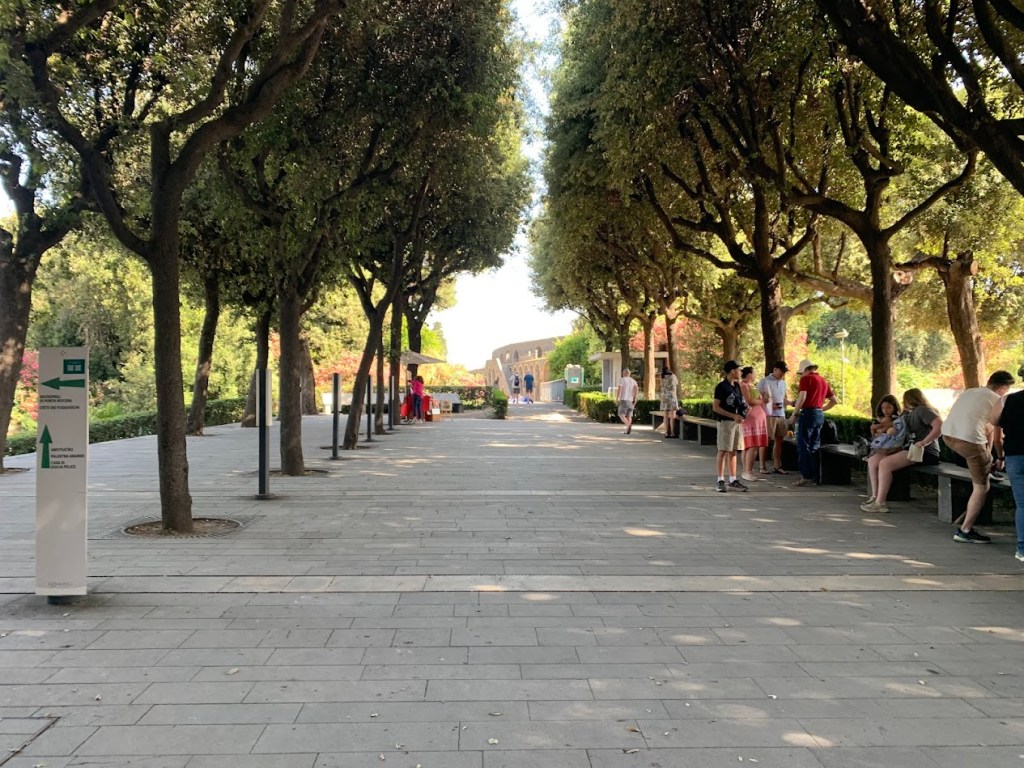
On June 16th, we were given a tour of Pompeii by Dr. Allison Emerson. It was incredible to explore such an amazing site, one that I have only read and learned in class about. exploring Pompeii first hand was a far cry from what I had experienced through textbooks. While textbooks are incredibly valuable for providing foundational knowledge and context, they can only convey so much. The tactile experience of touching ancient walls, walking the same streets as the Romans, and uncovering artifacts buried for centuries is something no book can fully capture. One of our first stops was to visit the area in which we would be working: Insula 14. Here we were given a detailed introduction of the Insula and its activities not only during its Roman occupation but also in past excavations, related and unrelated to the project.
After my first weekend in Pompeii, I went to bed excited, nervous, and happy, ready for my first day on work and the weeks to come.
Week 1: Breaking Ground
We officially started work on Monday July 17, 2024. Bright and early in the morning, I did not dread the early wake up call nor did I feel tired as I was very excited to get to work. The gates of Pompeii opening as we displayed our official badges felt like opening the gates at Hogwarts. Pompeii, in the morning light with no tourists present, appeared divine and truly a city frozen in time.
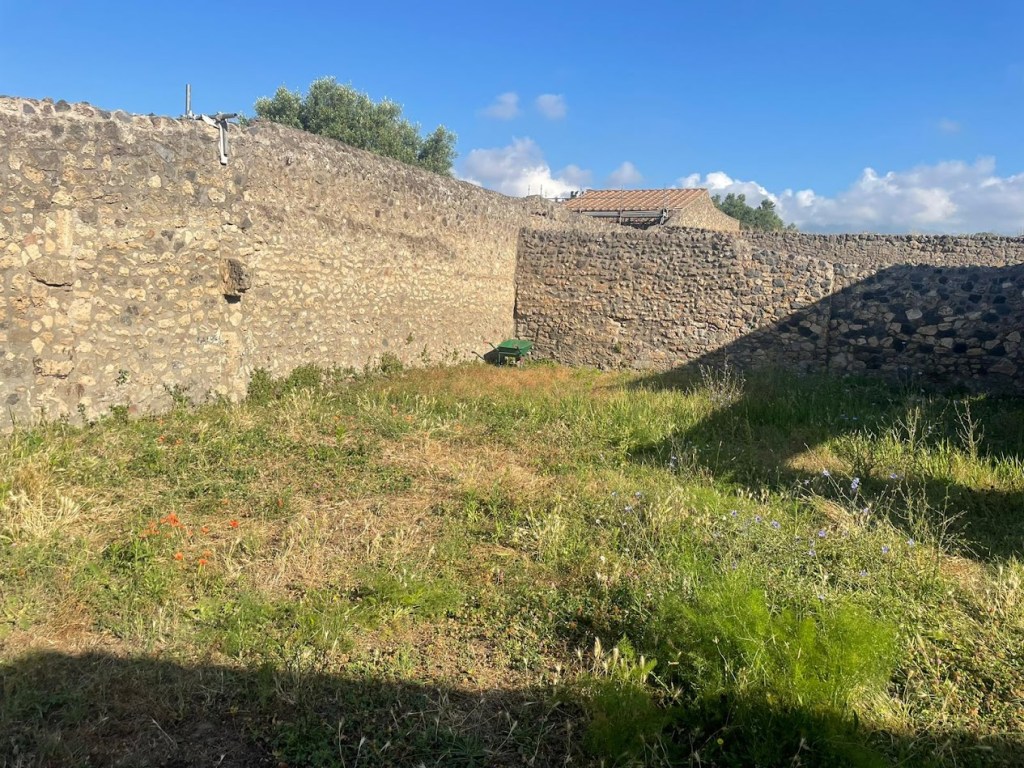
However as soon as we arrived at the site work started right away. We quickly got started out by weeding out the soon to be excavation area, removing rocks and vegetation. Though the roots of plants were still an annoying pest days later. Clearing the area was important as it would allow us to keep our excavation area easy to define and tidy, especially as we would remove bucket after bucket of stones and soil. Afterwards we moved on gardening to laying out perimeters of our trenches and stringing it up. It was all coming together now.
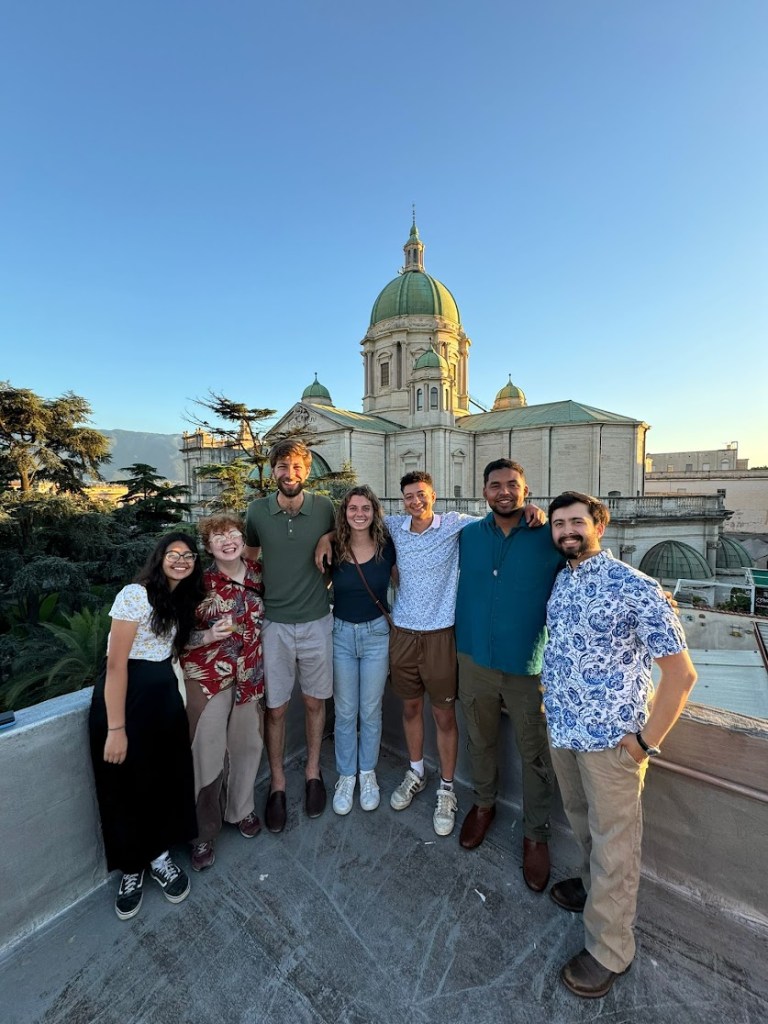
Our team was supervised by Gabe, with Noah and Grace, who had both participated in the project last year, would be overseeing the excavation as supervisors. As we would be excavating in the garden of Insula 14, our team name was Gabe’s Gardeners. Gabe, Grace, and Noah were there to guide us in excavating the large garden and teach us tricks of the trade and correct any mistakes.
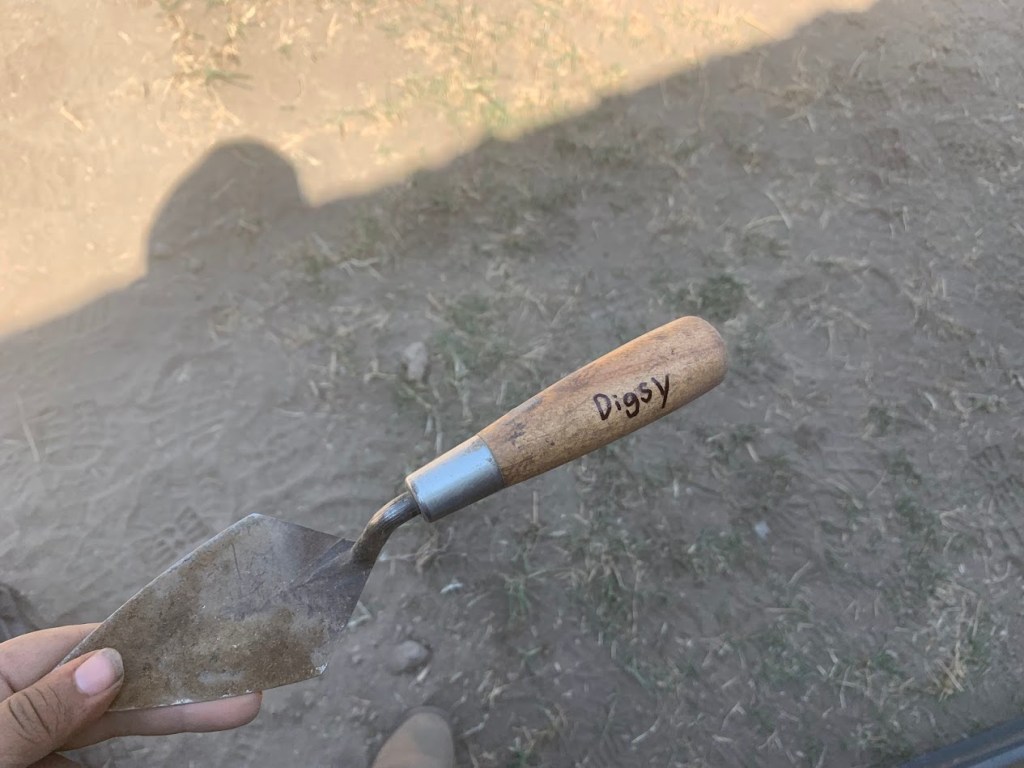
Now we could begin excavating. I was very excited to start and finally use my personal trowel, affectionately named Digsy. We started by carefully removing dirt with gentle swipes, ensuring we didn’t miss any changes in soil, small artifacts, or other points of interest.
Given that the area had been previously excavated decades ago, we had to dig through disturbed soil to reach the ancient, undisturbed layers. To my surprise, I found an intact Fanta bottle among the debris—a reminder that previous archaeologists often buried their trash. It was a great find! The bottle could be used to date the layer of the trench. Also, Fanta is one of my favorite sodas. (I want to note that I did not drink the Fanta found at the site. 1. Its archaeological evidence 2. I know better.)
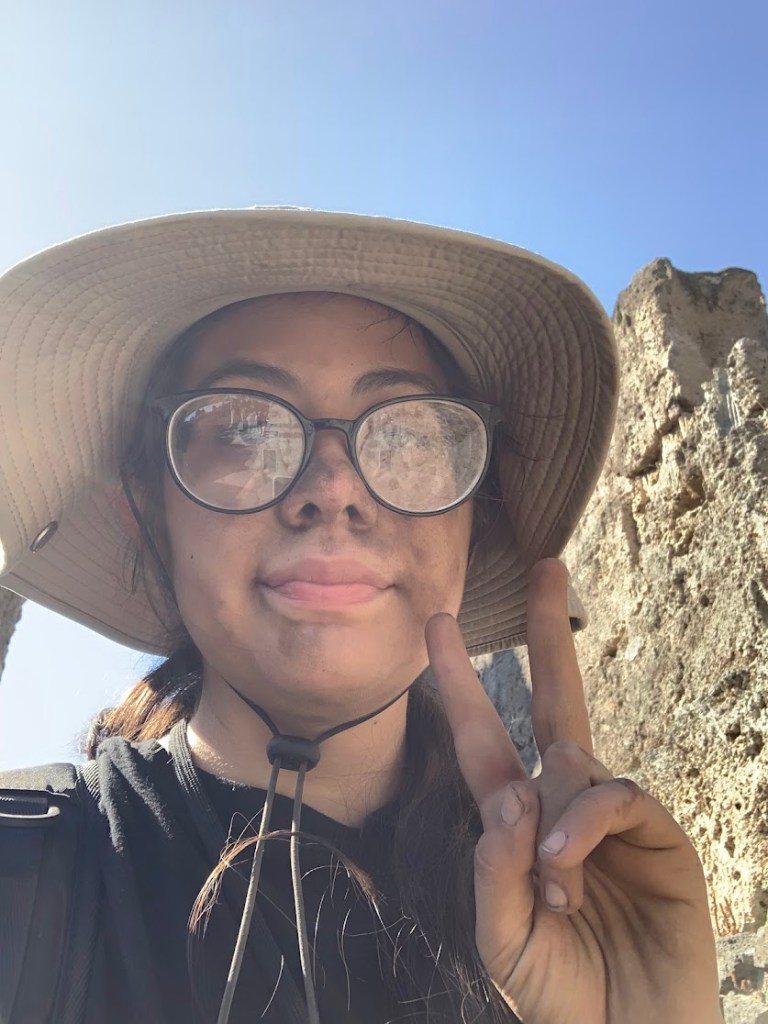
Throughout the week, we tirelessly removed layer after layer of dirt and rocks, occasionally switching to hand picks and pickaxes to tackle stubborn obstacles. It takes one a while to get used to welding a pickaxe that is ¾ your size.
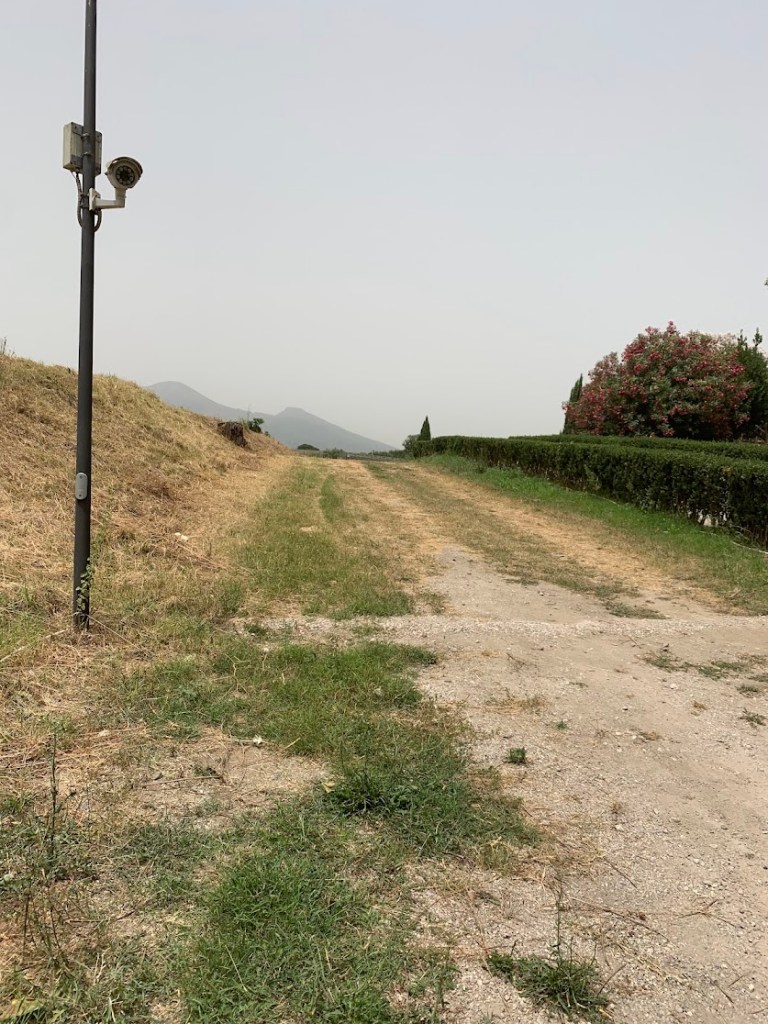
As the weather grew hotter, we took frequent breaks to hydrate, reapply sunscreen, and relax in the shade.
On particularly sweltering days, we retreated to the lab, ominously nicknamed “the Monster,” to wash pottery and other artifacts from previous digs. I have hand washed pottery before and I quite enjoyed it as I find it relaxing and intriguing as you can find little clues about the previous owners and markers by observing each piece. I was surprised to arrive at the Monster and be handed a power washer to clean pottery. My teammates and I found it quite fun to spray the ceramic pieces, especially on hot days. (Though I do prefer to hand wash over using the power washer.)
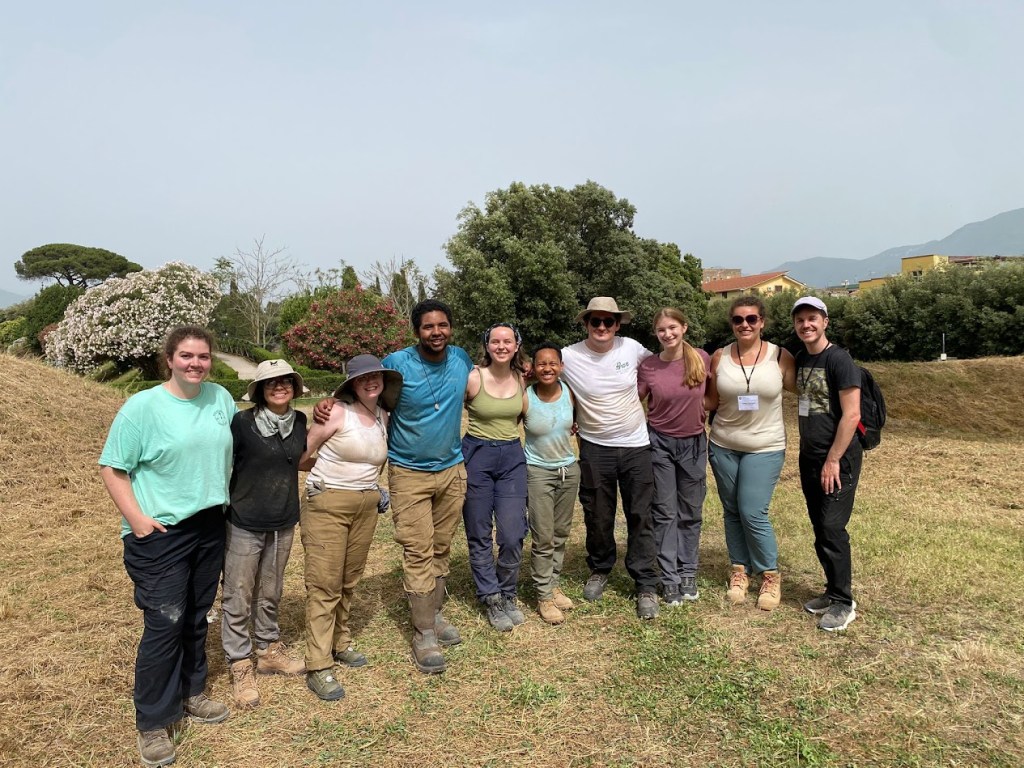
This week we were given a lecture from Environmental Archaeologist Mark Robinson about the different types of stone in the region and the insights that could be provided. This was helpful in identifying the different types of materials that were in different layers.
Week 1 was a whirlwind of learning and rediscovering my passion for archaeology. I gained insights into the soil and rocks of the region, learned how to endure the sun’s intensity, and navigated the challenges of the excavation site.
Week 2: The Monster’s Lair
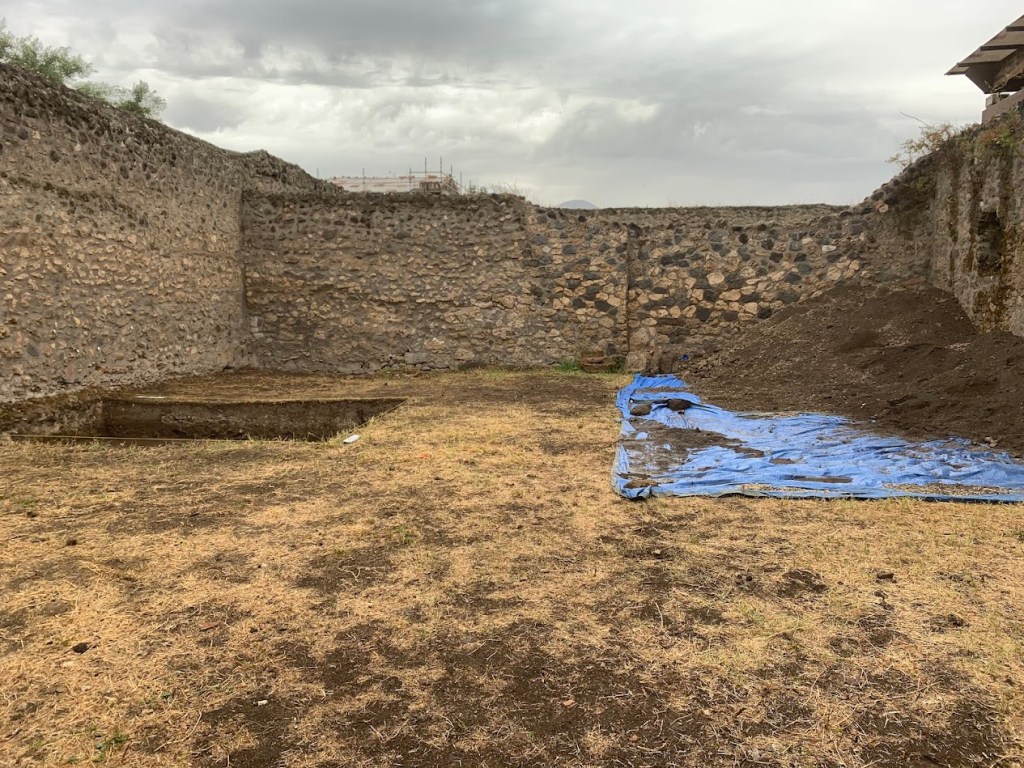
In Week 2, I spent more time at the Monster, washing ceramic, shell and bone. The Monster is the area where excavated material is cleaned and processed at Pompeii, ready to be analyzed. Pottery washing was the primary task I performed at the Monster. We cleaned most of the pottery with a pressure washer, but the more delicate ceramics were cleaned with toothbrushes and small brushes. Pottery washing is less impactful on the body than excavating and we were able to be in shade as we worked, unlike in the trench, where we were at the mercy of the sun.
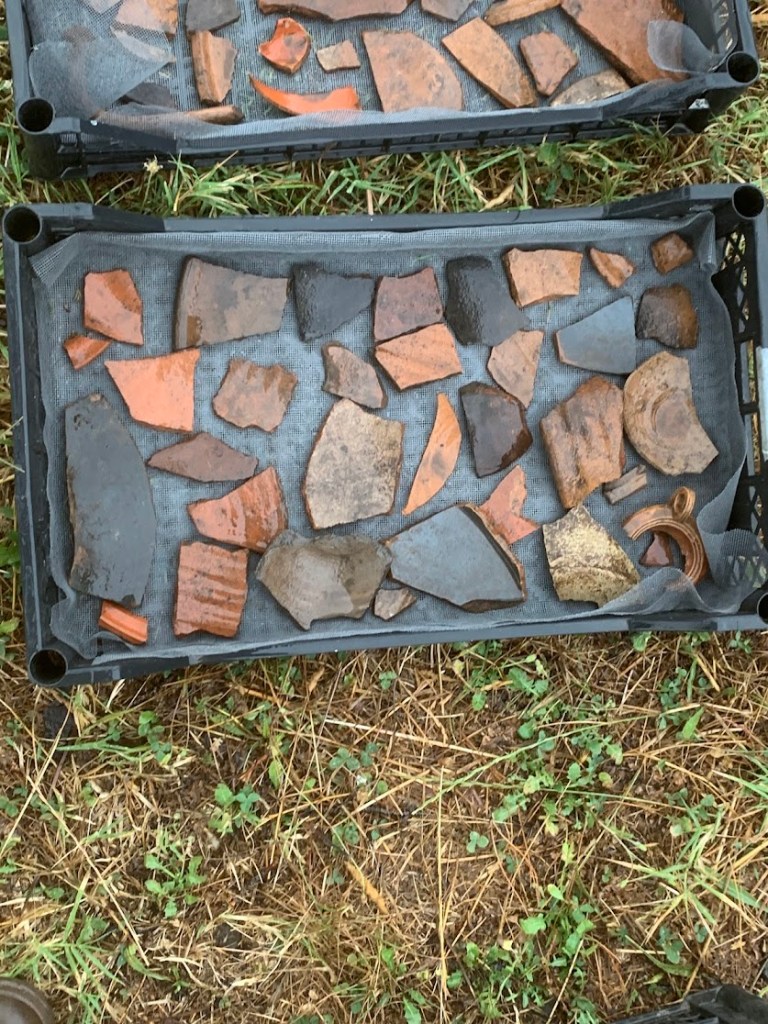
When artifacts are excavated, they are sent to the Monster wash to be more visible. This allows ceramic specialists to gain more information about the ceramic found in each trench and in each layer. Decoration on pottery can be unclear and noticeable until it is cleaned. Similarly, bones and shells can provide insights into the trench’s history and usage, such as dietary habits and the presence of domestic or industrial activities. Other finds, like tools and personal items, can offer even more detailed information about the daily lives of Pompeii’s inhabitants.
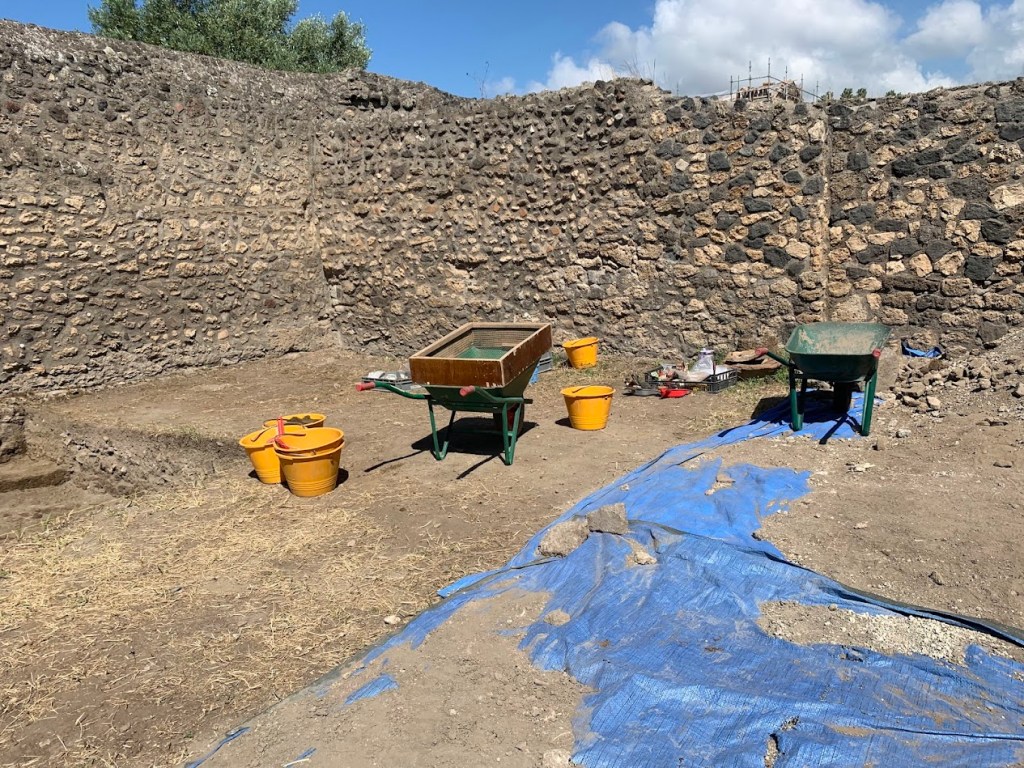
Speaking of finds, this week produced some exciting finds! I had the unique opportunity to excavate some from the trench and find others in the sift. I found my first piece of bronze ever! It was a mostly intact make-up applicator. Discovering it was an incredible experience and made me appreciate the meticulous work even more.
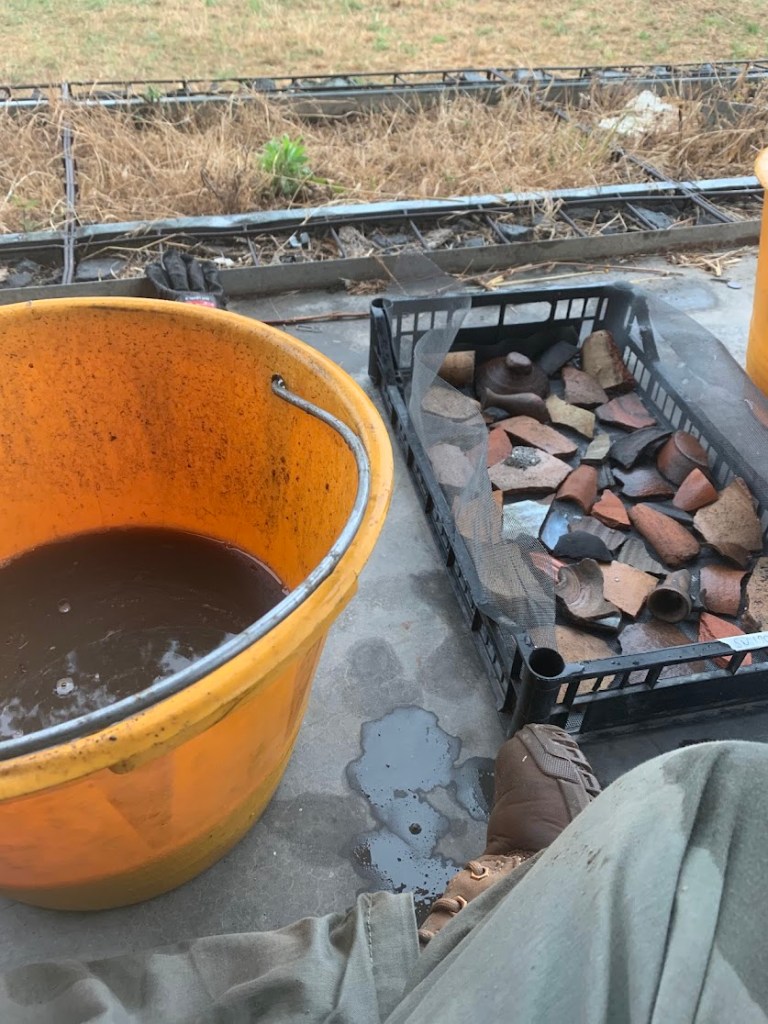
Week 2 was a mix of chaos and calm. On Tuesday, we found ourselves cleaning several crates of ceramics as it poured outside. The rain created a soothing backdrop, contrasting sharply with the intense sun we experienced in the trenches. It was nice to listen to the rain and thunder as I washed pottery and saw the different designs on different pieces. This week highlighted the diverse nature of archaeological work, where tasks can range from the physically demanding to the carefully delicate, each contributing to the broader understanding of our findings.
Week 3: Layers of History
Week 3 marks the middle of the project. Time has passed so fast! Everyone on the project was finding their individual strengths and interests and bonding together as a team.
Week 3 continued with more pottery washing, which had become a familiar and somewhat soothing routine. The work at the Monster provided a different pace from the physical labor in the trench, but it was equally important in piecing together the story of Pompeii.
This week, I also got more involved in heavy fractioning sorting. Heavy fractioning involves using water to separate denser materials, like bones and pottery shards, from the lighter soil. It’s a meticulous task that requires patience and attention to detail, but it’s incredibly rewarding when you find significant pieces among the debris. I carefully sorted tiny materials such as fish bones, fish scales, charcoal, bones, and shells.
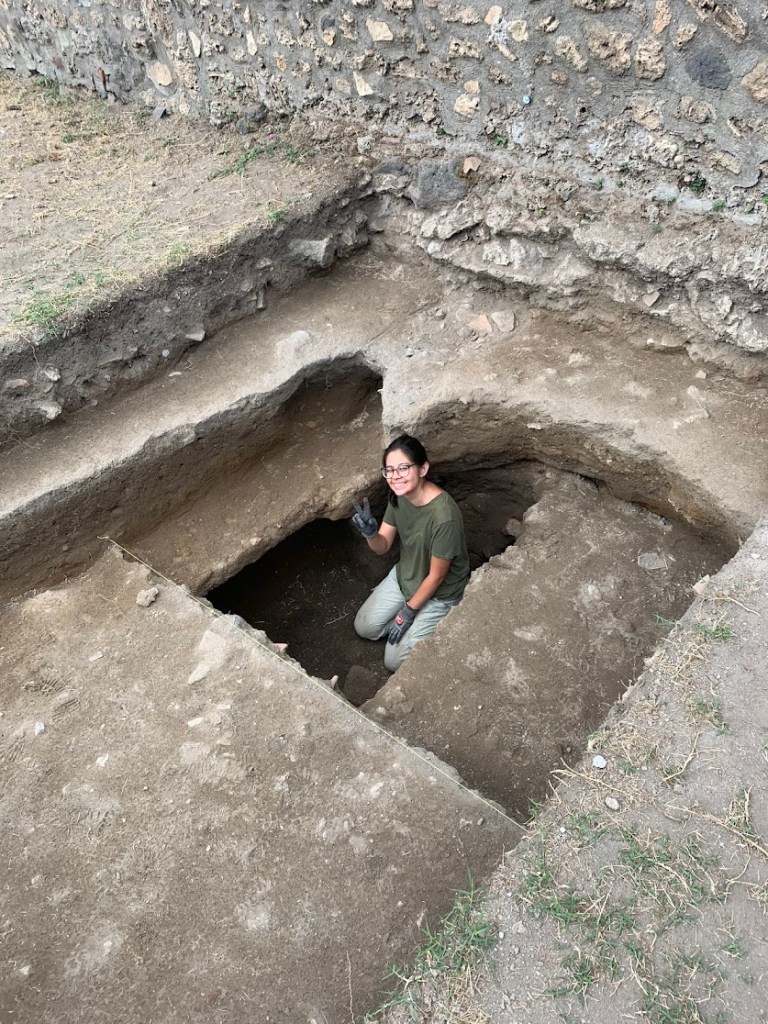
This week as I excavated I gained a deeper understanding of the layers of the trench. I get better with understanding the fills and cuts that emerged as we excavated. I was able to identify more changes in the soil, not just noting color but also the texture and the inclusions in the soil. One of the most interesting tasks I engaged in was practicing Munselling. Munselling is the process of using the Munsell color system to classify and record the colors of soil samples. It was fun to play around with soil, trying to figure out if it was sandy loam or loamy sand.
As I reached the halfway point of the project, I found myself reflecting on the journey so far. The combination of physical excavation and detailed lab work had given me a comprehensive view of archaeological practice. The excitement of discovery and the camaraderie among the team made the hard work worthwhile. I felt more confident in my skills and more passionate about the soil.
Week 4: Digging Deeper
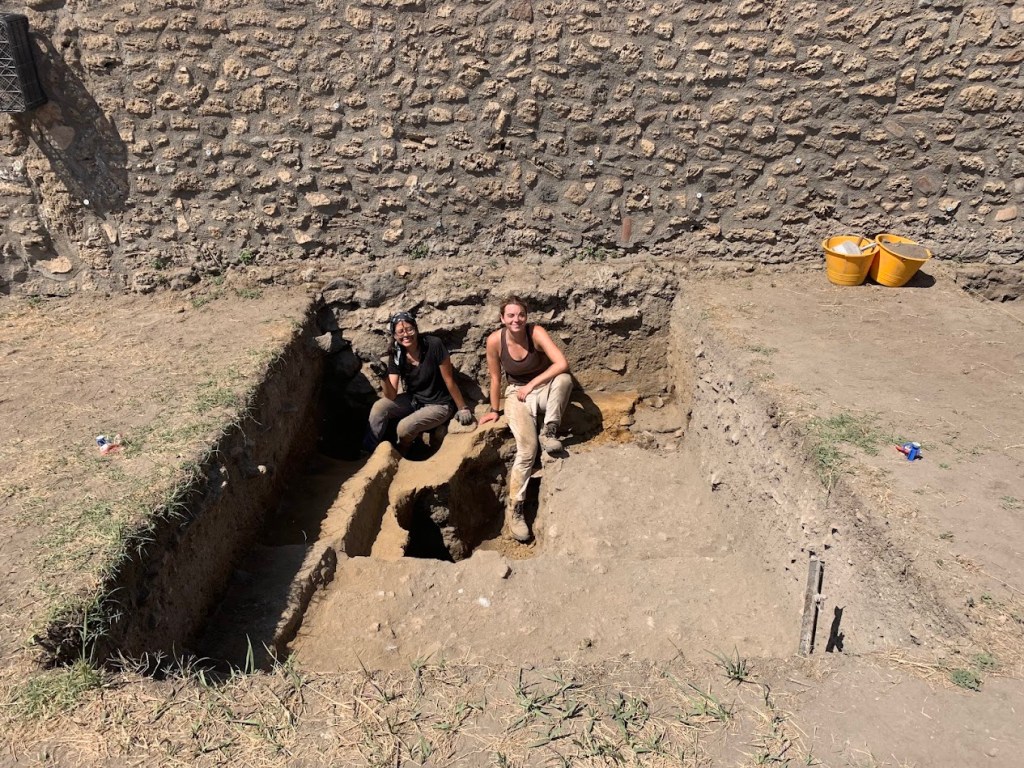
Week 4 saw a return to more intensive excavating. With more and more soil we removed, we uncovered more of Pompeii’s hidden history through artifacts and the layers of soil that emerged. The thrill of discovery, even of small items, kept our spirits high despite the long hours under the hot sun. This week reinforced the importance of patience and precision in excavation work.
This week I experienced rotations, which allowed me to learn more about the different teams involved in the project. Spending time with the Ceramics, Data, and Finds teams gave me a broader perspective on the various aspects of archaeological work. Each team had specialized tasks and methods, and it was fascinating to see how their efforts combined to provide a comprehensive understanding of the site. These rotations were an excellent opportunity to gain hands-on experience and learn from experts in each field, deepening my appreciation for the interdisciplinary nature of archaeology.
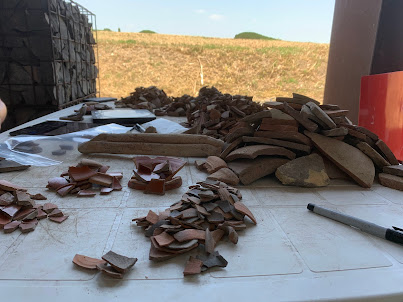
Learning about the different types of ceramics found in the area was particularly enlightening. I discovered how ceramics are separated and processed for research. We categorized pottery based on factors like shape, size, decoration, and function. This meticulous sorting helps researchers determine the pottery’s origin and use, shedding light on daily life.
With Finds, I also learned how artifacts, particularly metals like bronze, are cleaned and processed. Metals require special care to preserve their integrity while removing corrosion and other debris. The process involves using various tools and chemicals to clean the artifacts without damaging them. Watching the transformation of a corroded bronze object into a recognizable piece of history was incredibly satisfying. The Finds team showed me how they catalog and organize each artifact, ensuring that all necessary information is recorded for future analysis. This meticulous documentation is crucial for creating a detailed and accurate record of the excavation.
The Data team introduced me to the digital side of archaeology, demonstrating how they create models of the trenches at different stages. Using advanced software and photogrammetry, they generate 3D models that allow researchers to analyze the excavation in detail. These models help track progress, plan future work, and provide a visual record of the site’s stratigraphy. It was fascinating to see how technology enhances our understanding of the archaeological process and preserves the site for future study.
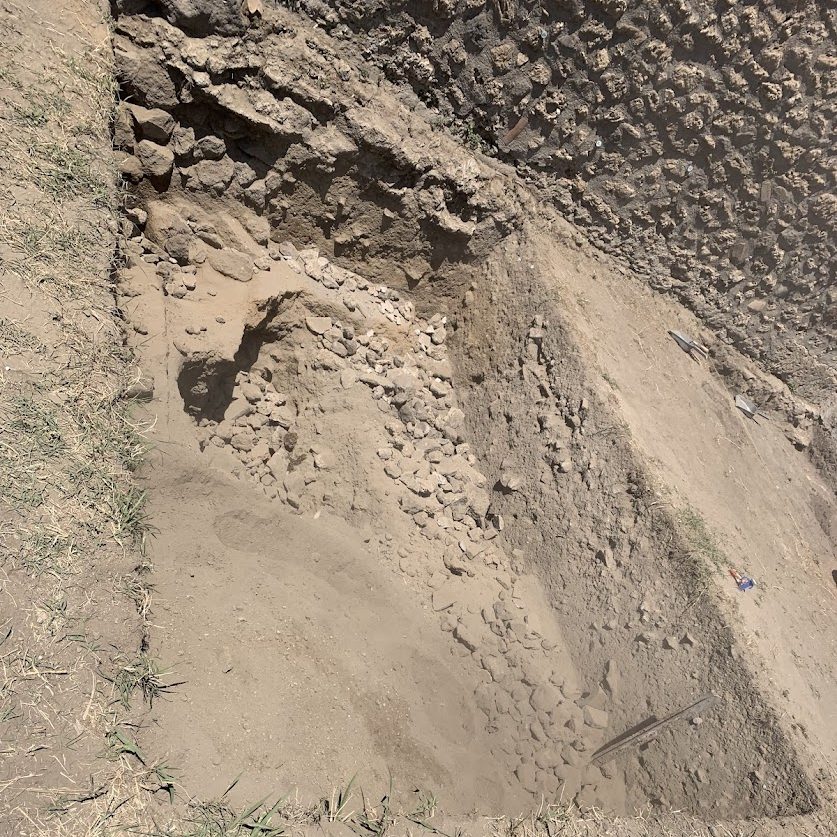
One of the significant milestones of the week was finishing one of the trenches we had been working on. Once we had documented and collected all the artifacts from this area, we began the process of backfilling the trench. While backfilling is less glamorous than excavation, it’s crucial for preserving the site and ensuring its stability for future research.
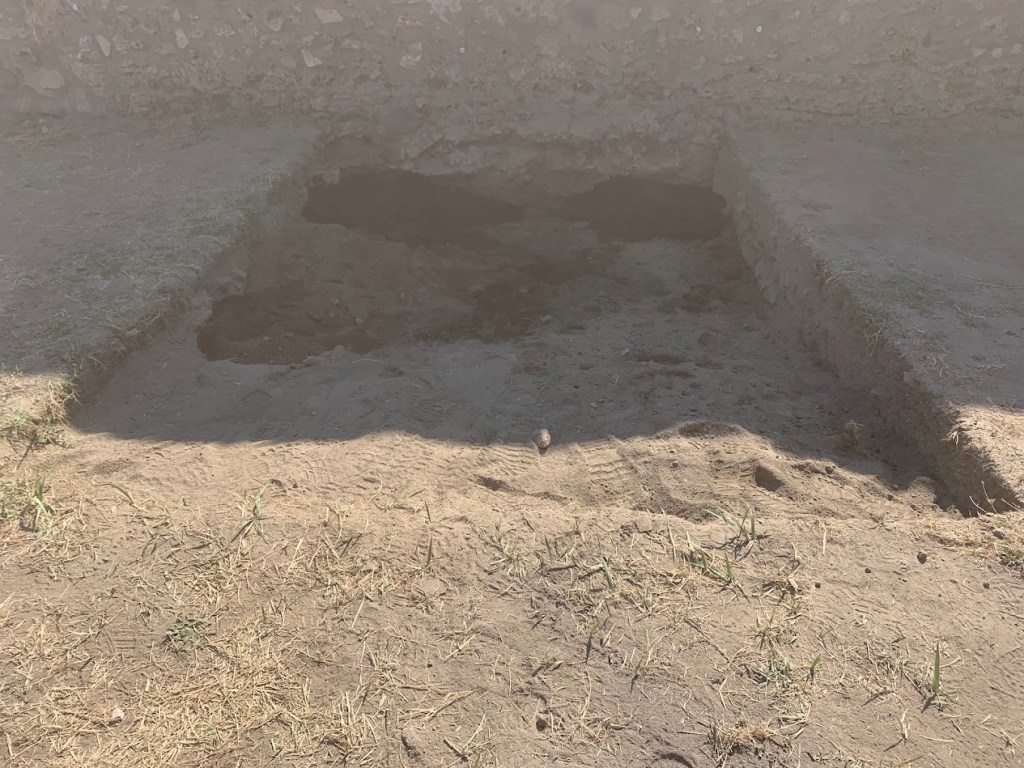
We backfilled using buckets and wheelbarrows full of rocks and soil to fill the trench. It was hot, dusty, and hard work, but it was still fun work to do.
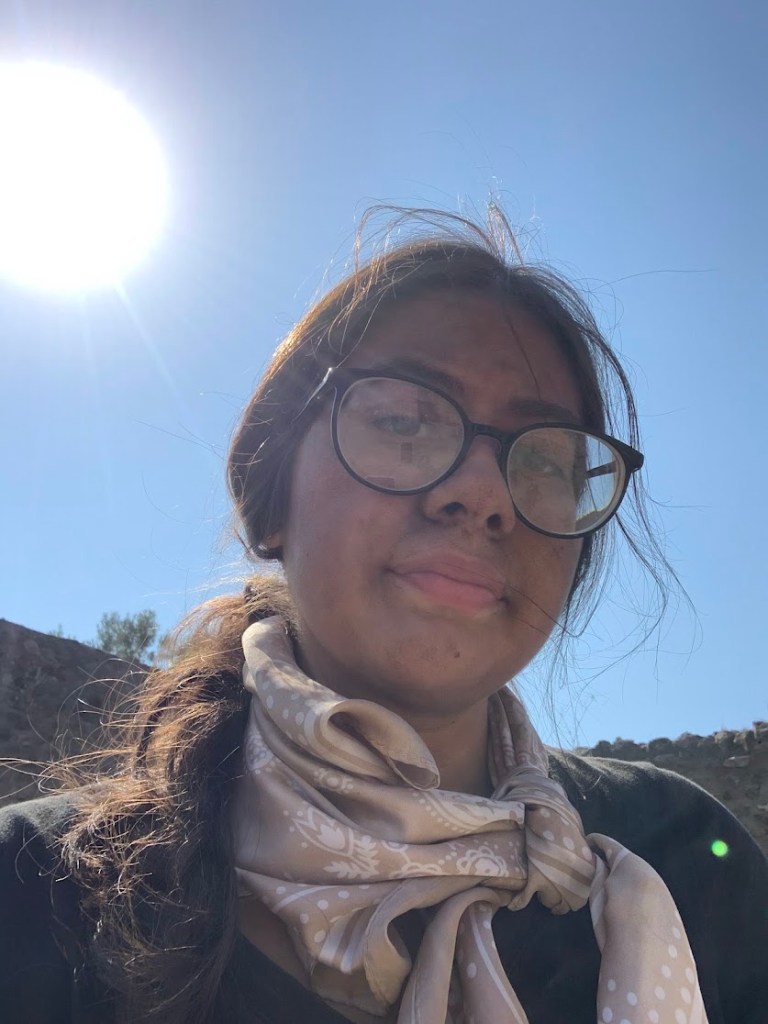
Week 5: Teamwork Makes the Dream Work
Week 5 was a whirlwind of activity and reflection as we entered the final weeks of our excavation project at Pompeii. The excitement among the team was palpable as we geared up for our last week on site. Every member of the team was motivated to make the most of our remaining time. The enthusiasm was not just about uncovering new finds but also about celebrating the progress we had made and the bonds we had formed over the previous weeks.
We continued our excavation work with renewed vigor, striving to uncover as much as we could before backfill day. Digging was as physically demanding as ever and the days seemed to get hotter, but the sense of urgency and the goal of completing our work kept us going.
As we neared the end of our excavation, our focus shifted to the crucial task of cleaning up the site. This involved several steps, including wrapping up the final stages of excavation and carefully cataloging the materials we had collected. We counted each item, ensuring that no artifact was left unrecorded. The process of labeling and sending up artifacts for further analysis was a significant part of this phase. Every artifact had to be properly tagged with its location and context to ensure that it could be accurately studied later. This meticulous attention to detail was essential for maintaining the integrity of our findings.
It also meant cleaning up the trenches in order to capture final images of the excavation site. We went with dustpans and brushes in order to remove excess dust and earring our footprints. We left our trenches as clean as we could and the next day we were going to bury them in dirt again.
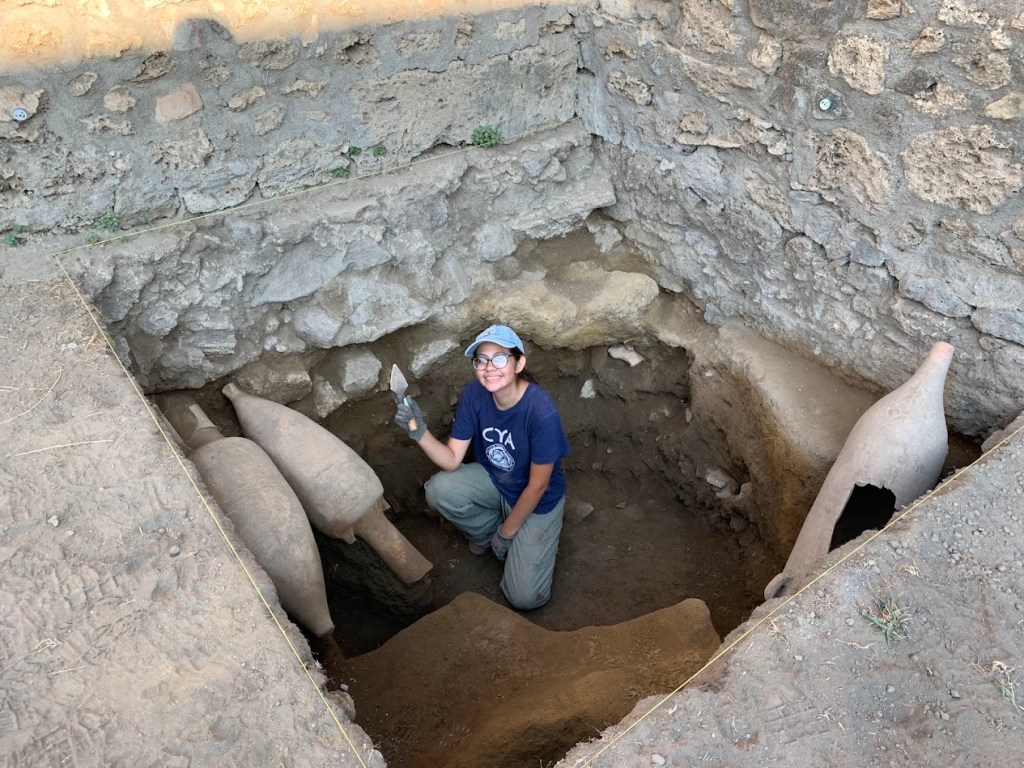
Backfill day was a mix of fun and bittersweet emotions. Our team tackled the task with impressive teamwork. We quickly organized ourselves into assembly lines to move rocks and dirt, making the backfilling process as efficient as possible. The collaborative effort was evident as everyone pitched in, helping each other out and keeping the momentum going. To cool off from the heat, we had some fun with water guns.
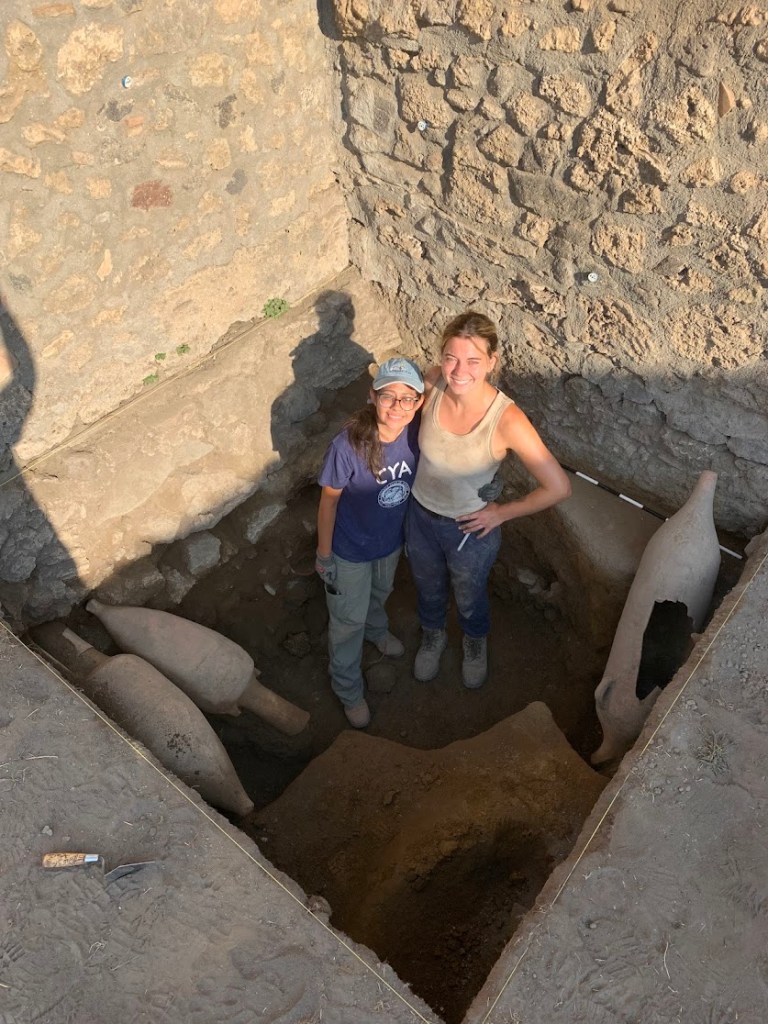
As the day progressed, the bittersweet nature of the task set in. It marked the end of our work in that particular area, and it was a reminder of how much we had accomplished together. I felt a deep sense of gratitude for the opportunity to work with such a dedicated and supportive team. Each person brought something unique to the project, and the camaraderie we shared made the demanding work days more enjoyable.
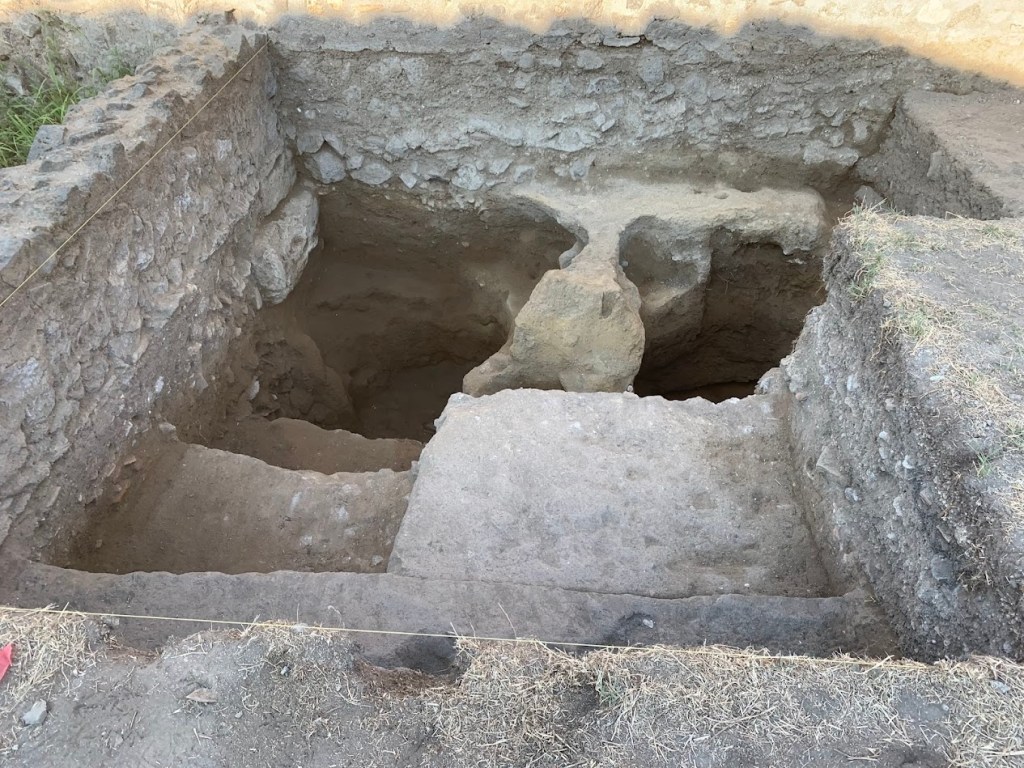
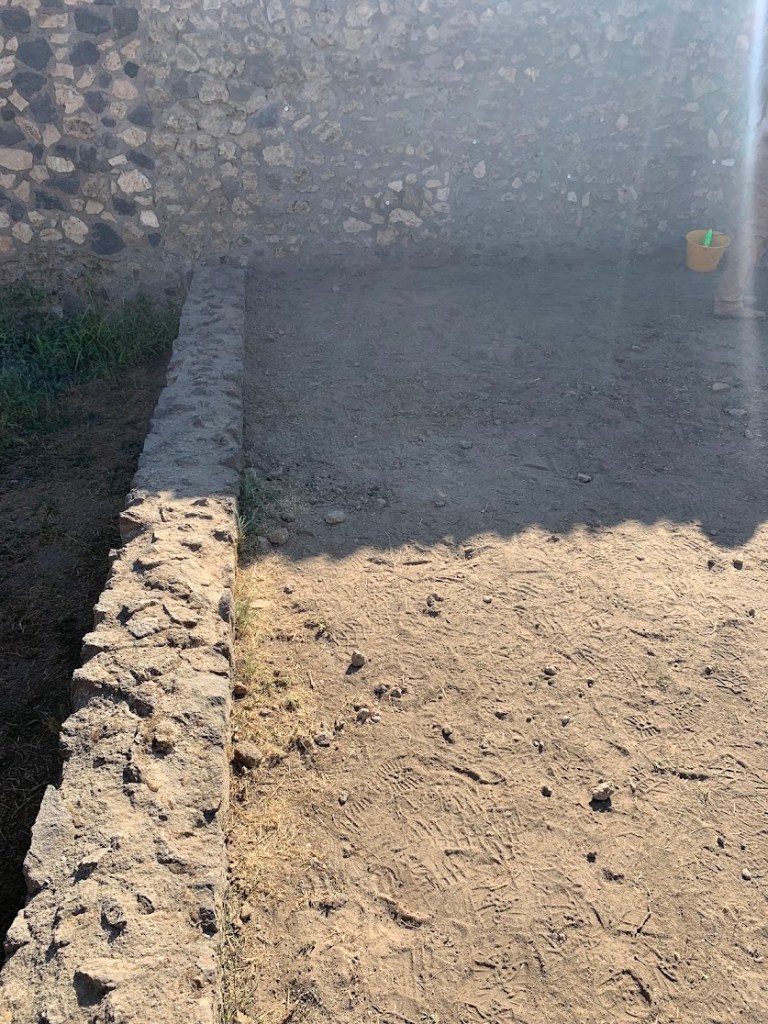
As the week drew to a close, and with the project nearing its end, there was a palpable sense of accomplishment and reflection among us. Finishing the trench and seeing the final stages of our work come together was rewarding. The sense of teamwork and shared purpose was a highlight of the entire season. Looking back on the five weeks, I felt incredibly fortunate to have been part of such a dynamic group and to have contributed to a significant archaeological project. The friendships and experiences gained during this time were invaluable, and I left with a renewed appreciation for the collaborative spirit that drives archaeological work.
Reflection
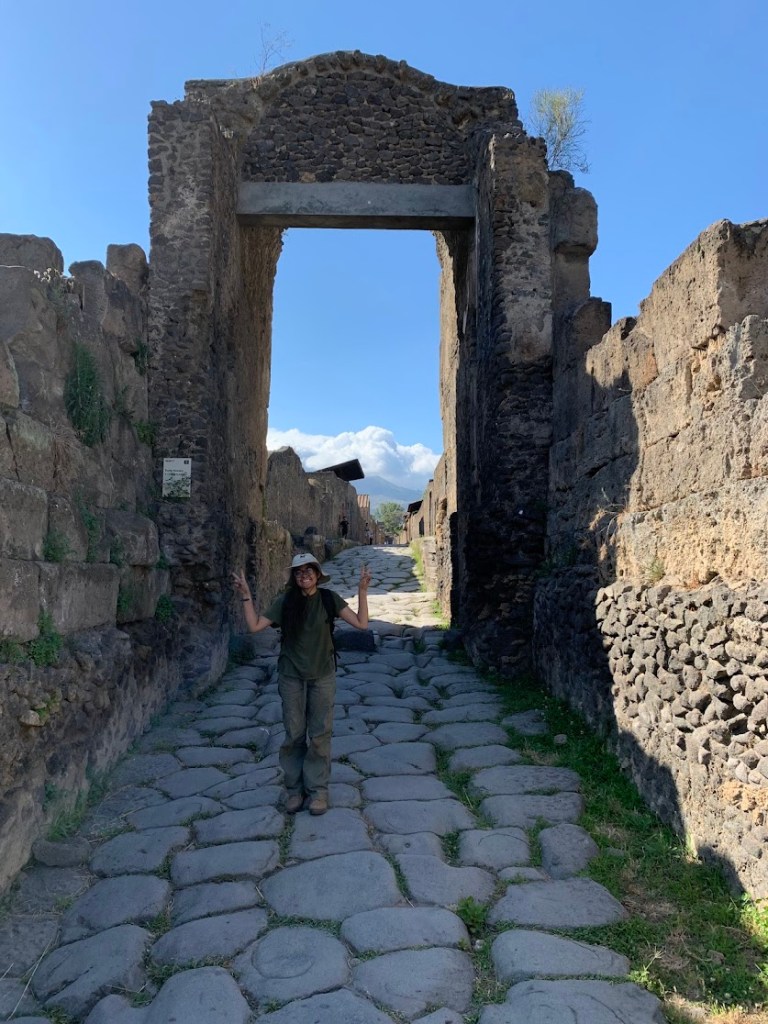
I thoroughly enjoyed my time working on the Pompeii 1.14 project. The entire experience was both educational and fulfilling. From the moment I arrived, I was immersed in the work and quickly adapted to the daily routines and challenges. The hands-on experience was invaluable and provided insights that you simply can’t get from textbooks alone.
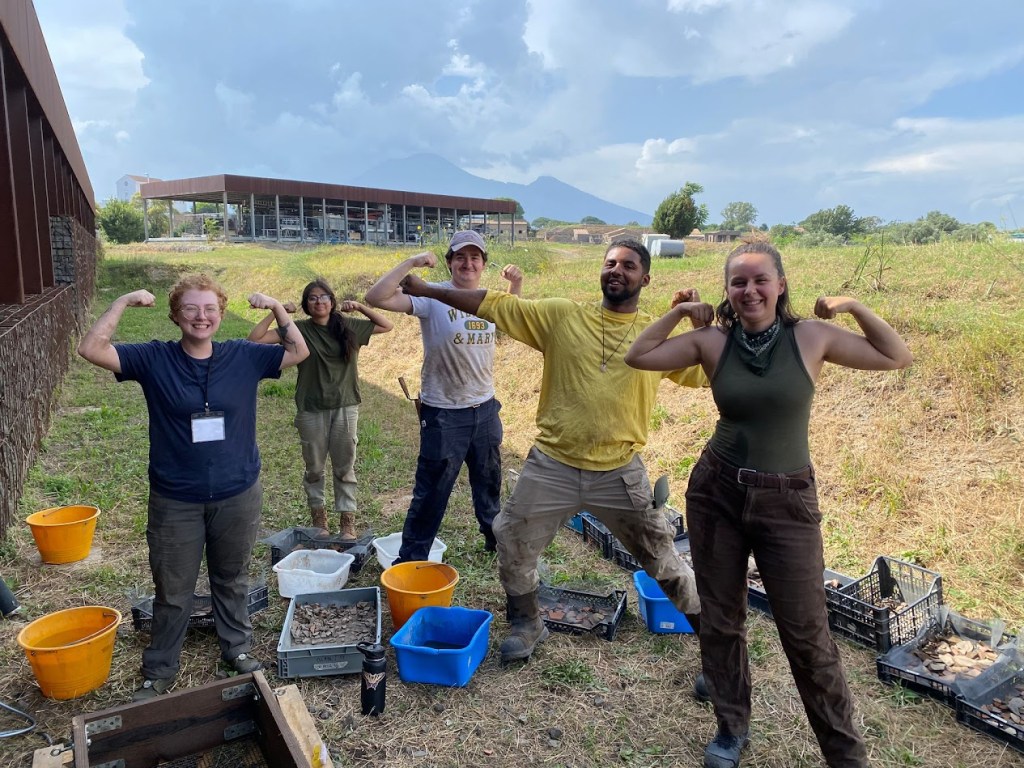
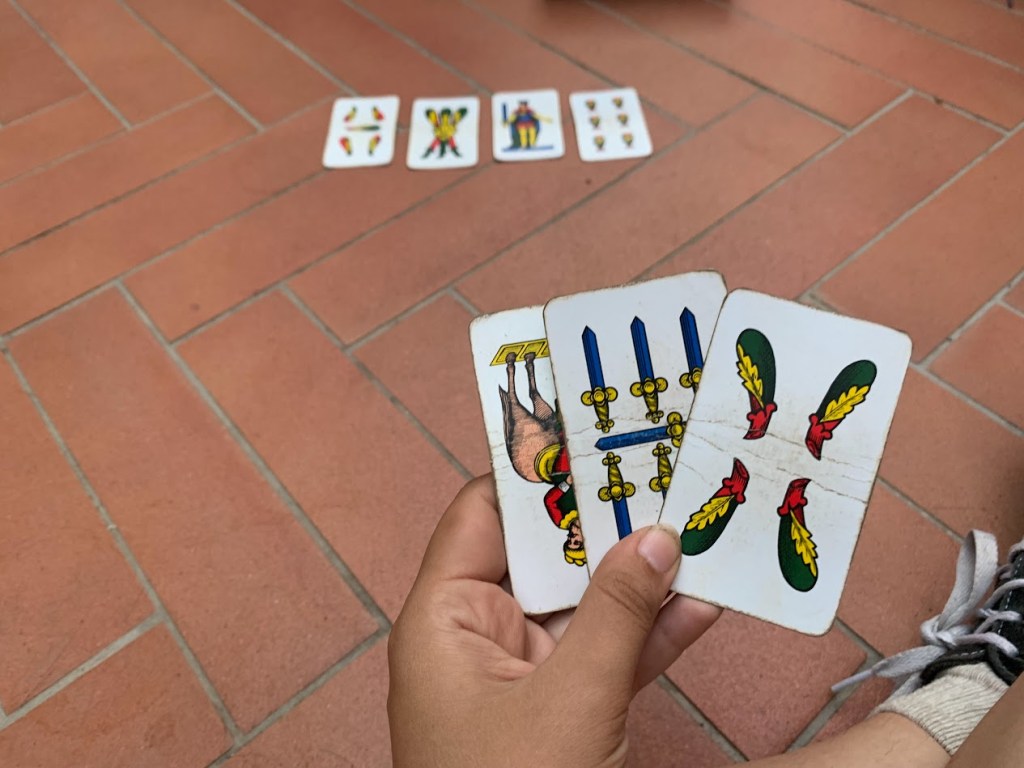
The project was not just about the work but also about the people who made the experience unforgettable. Working alongside a diverse group of individuals, each with their own expertise and enthusiasm, created a dynamic and supportive environment. The camaraderie among the team was a highlight of the experience. Whether we were bonding over shared meals, playing card games like Scopa, or simply relaxing in the hostel courtyard, these moments of downtime were invaluable. They fostered a sense of community and made the demanding work days more enjoyable.
Our weekends were a much-needed break from the routine, offering time to explore the region and soak in its cultural and historical richness. I made the most of this free time by traveling to nearby archaeological sites and immersing myself in the local culture. Each trip was not only a chance to see more of the area but also a way to gain a broader perspective on the historical context of our work. These excursions were a perfect complement to the rigorous work during the weekdays, providing a well-rounded experience of life in Pompeii and its surroundings.

Overall, the five weeks flew by and were a significant period of growth for me. The combination of hard work, learning opportunities, and team interactions made it a memorable and rewarding experience. It solidified my interest in pursuing further studies and a career in archaeology, and I’m grateful for the chance to have been part of such an important project.

 Digging Through the Ages
Leave a comment