
Field Notes and Findings
Research has been a transformative part of my archaeological journey, offering me the chance to dive deep into complex topics that go beyond the field. From studying cultural heritage preservation in Transylvanian mining communities to analyzing the ethical display of artifacts in museums, my research projects have expanded my perspective on the past. Each project involved meticulous study, whether it was digging through historical sources, analyzing artifacts, or exploring how ancient societies functioned. Working closely with my professors and peers, I learned to approach research as a collaborative effort, where every new discovery adds to our understanding of archaeology.
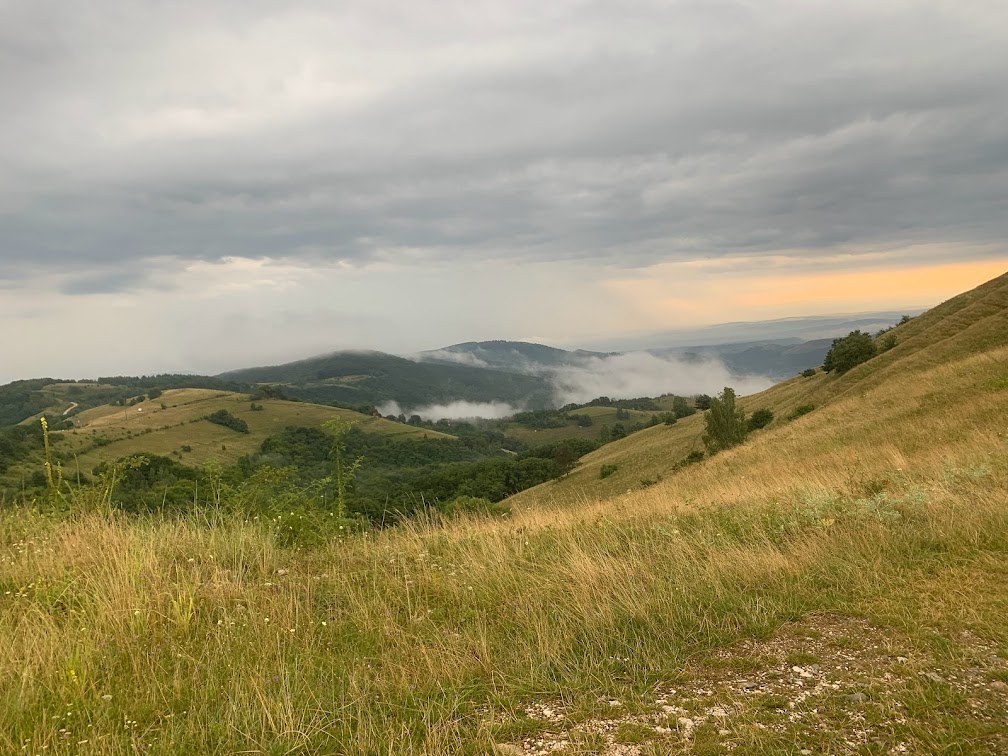
In the Summer of 2023, I was a part of the project “Archaeology as Advocacy: Celebrating Cultural Heritage and Promoting Sustainability in Transylvanian Mining Communities,” a collaborative project involving Hamilton students and faculty working alongside Transylvanian mining communities facing threats from a proposed large-scale open-cast gold mine. The project’s core aim is to empower these communities to resist displacement, preserve their traditional lifestyles and mining practices, and safeguard their cultural heritage.
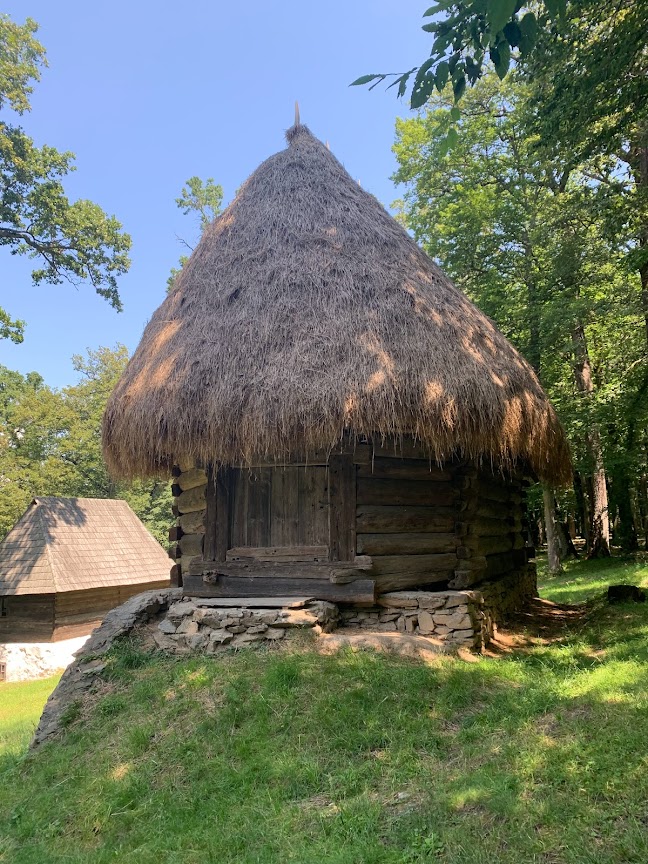
As part of this project, my individual research focused on the preservation and promotion of cultural heritage found in burial mounds within a museum context. Through a comprehensive 25-page paper titled “Museums, Communities, And Bones: How To Preserve And Promote Cultural Heritage Found In Burial Mounds In A Museum?” I delved into the ethical display of human remains, practices for creating exhibits containing such artifacts, and the importance of community involvement in decision-making regarding their preservation and display. This research was not just an academic exercise but a meaningful exploration of how museums can serve as platforms for empowering local communities to advocate for themselves and preserve their cultural knowledge for future generations.
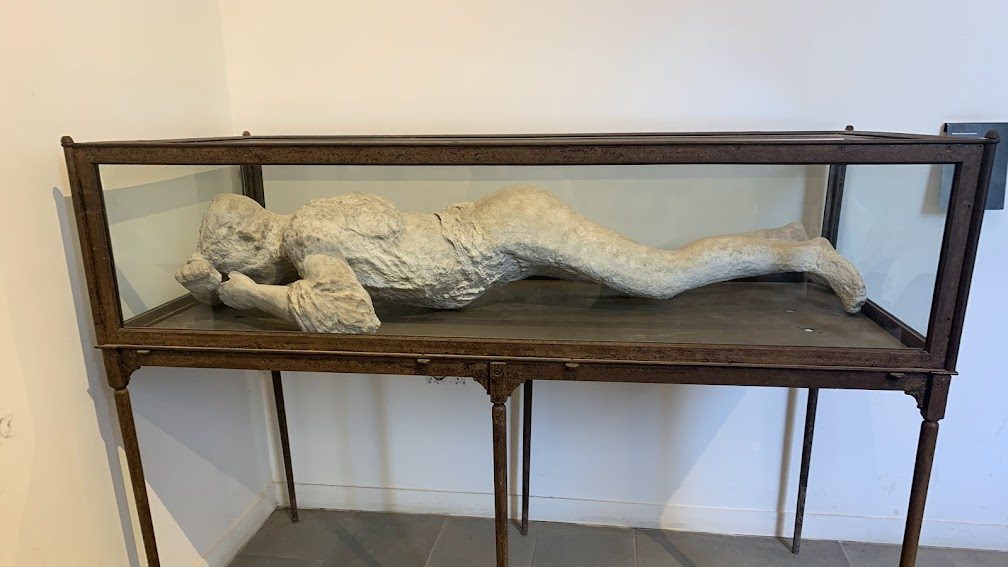
This past summer, I developed an independent research project titled “From the Trowel to the Display Case: Exploring Ethical Archaeological Practices of Artifact Lifecycles in Pompeii.” The primary goal of this project was to unravel the intricate ethical considerations surrounding artifact management in classical archaeology. Focusing specifically on the stages artifacts undergo—from excavation to curation and exhibition—I sought to examine the ethical imperatives inherent in each phase. This research not only aimed to enhance my understanding of the complexities involved in managing archaeological artifacts but also to contribute to a broader discourse on ethical practices within the field.
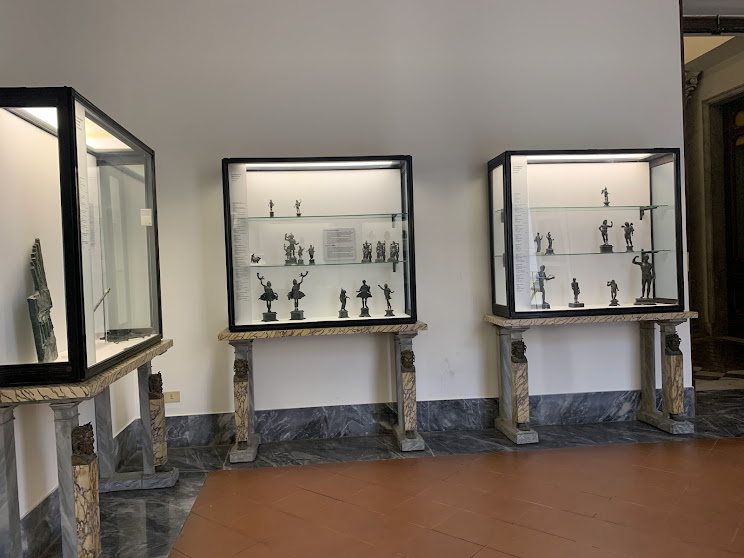
By delving into the artifact life cycles specific to Pompeii, my research endeavor aimed to illuminate the ethical dilemmas and practical insights that arise throughout the process. I explored issues such as the responsibilities of archaeologists in the field, the treatment of artifacts during curation, and the presentation of these artifacts in exhibitions. Ultimately, this project sought to foster a deeper understanding of the ethical obligations that underpin classical archaeology, emphasizing the need for transparency and integrity in managing artifacts. Through this exploration, I hope to encourage critical conversations about how we interact with and interpret the material remains of the past, ensuring that our approaches respect the cultural heritage they represent.
These research experiences have not only honed my skills in analysis, documentation, and ethical consideration, but they have also fueled my curiosity for exploring how the past connects to present-day issues. Research has given me the tools to approach archaeology from a holistic view, considering both the material and human aspects of ancient cultures. It has deepened my love for the field and continues to inspire my academic path forward.
 Digging Through the Ages