
My Archaeological Odyssey
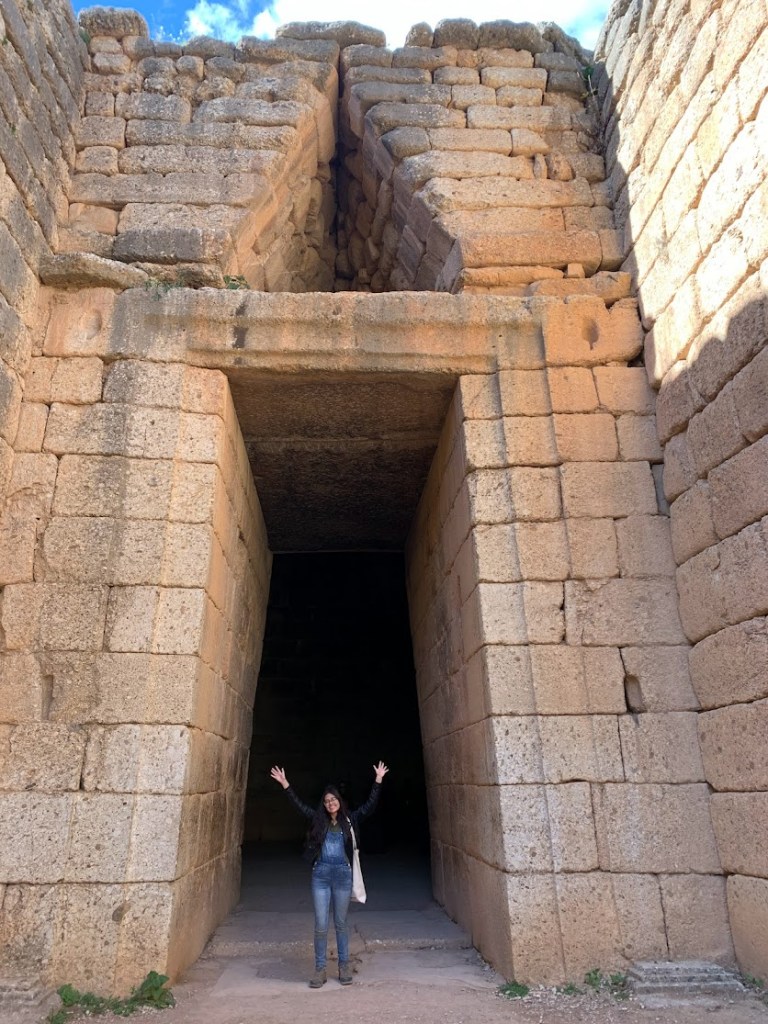
My journey into archaeology and classical studies is deeply rooted in a childhood fascination with ancient history which took root in the pages of books that transported me to distant lands and civilizations. My earliest explorations revolved around Mesoamerica and Ancient Egypt, delving into the mysteries of the Maya and Aztecs, the grandeur of the pyramids, and the intricate hieroglyphs ignited a sense of wonder and curiosity that fueled my imagination. As I grew older, my focus shifted towards Ancient Greece and Rome, exploring the epic tales of heroes and gods, the architectural marvels of ancient cities, and the interesting history through history books, Latin texts, and retellings. I yearned to visit archaeological sites, to run my fingers over ancient artifacts, and to walk in the footsteps of those who shaped the course of history. The idea of unearthing the past, of piecing together fragments of pottery or deciphering inscriptions, held an irresistible allure. The excavation of historical sites, the analysis of material culture, and the interpretation of ancient landscapes are like pieces of a puzzle that, when put together, reveal the complexities of past civilizations. I want to help put the puzzle together.
This journey of discovery led me to pursue a major in Classical Studies and Archaeology at Hamilton College. It wasn’t just about studying history from a distance; it was about diving deep into the past, engaging with it directly, and allowing it to shape my understanding of the world. My childhood dreams of exploring ancient civilizations have evolved into a lifelong commitment to uncovering the stories of our collective heritage.
My Undergraduate Experience
I am currently a rising senior in my undergraduate program, majoring in archaeology and classical studies. My undergraduate experience has deepened my academic knowledge and enhanced my critical thinking, problem-solving, and leadership skills. These experiences have prepared me for a future career in archaeology and classical studies.
At Hamilton College, I have been incredibly fortunate to engage in a rigorous and enriching academic journey that has laid a robust foundation for my research interests and aspirations. Courses such as “Pompeii and the World of Ancient Rome” and “Material Culture of Ancient Greece” have offered in-depth insights into the historical and archaeological significance of ancient civilizations. These classes equipped me with analytical tools necessary for artifact interpretation and provided a comprehensive understanding of the socio-economic and cultural dynamics of ancient societies. Additionally, “Ancient Greek Economies” and “Ancient Gender and Sexuality in Rome and Greece” have deepened my understanding of the complexities within these civilizations, enriching my interpretation of artifacts and their contexts.
Further enhancing my preparation, “Museum Studies” and “Household Archaeology” have provided critical perspectives on artifact curation and exhibition design. These courses emphasized the importance of preserving and accurately representing cultural heritage within museum settings. My academic journey at Hamilton has not only honed my technical skills but also instilled in me a deep appreciation for the ethical considerations inherent in the discipline. This comprehensive academic training has equipped me with a well-rounded skill set, crucial for conducting ethical and informed archaeological research.
I am profoundly thankful for the dedicated professors at Hamilton, whose guidance and expertise have been instrumental in shaping my academic journey and research pursuits.
Study Aboard: College Year in Athens (Spring 2024)
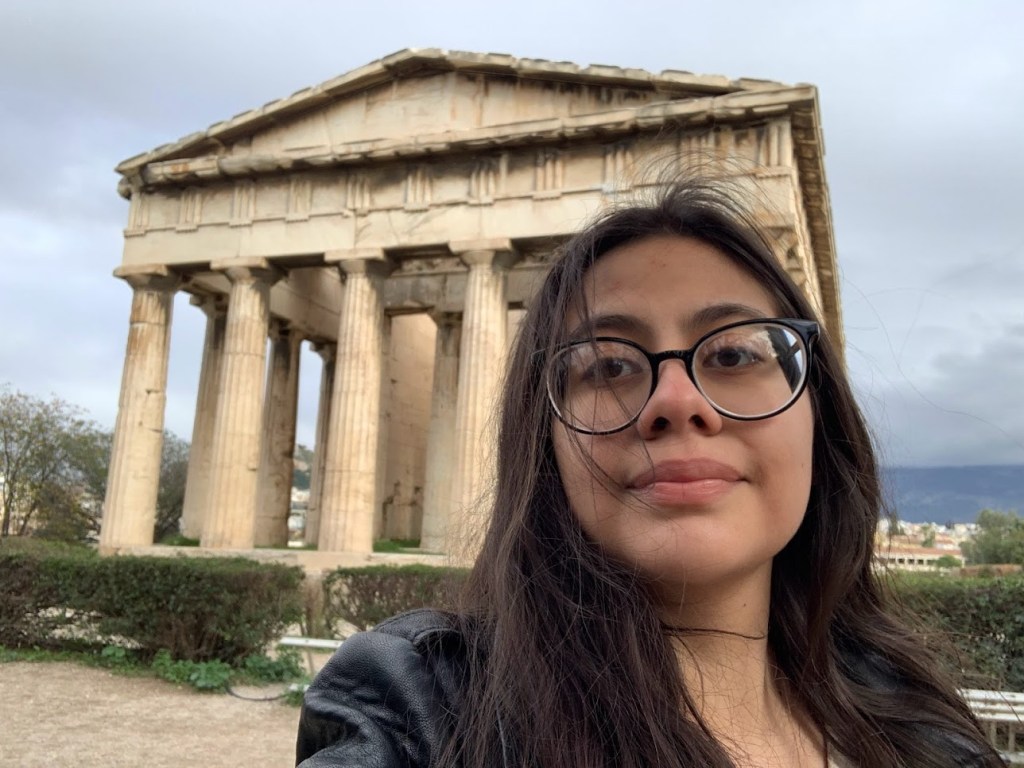
During my enriching study abroad experience, my academic journey took me on a captivating exploration of ancient history and archaeology across Greece. I delved into rigorous coursework focusing on Aegean art and archaeology, Homeric Greek, the history of ancient Macedonia and the development of ancient technologies due to trade. Beyond the classroom, field studies took me to various archaeological sites and museums across Greece. From Knossos in Heraklion to Olympia, Delphi, Pella, Thessaloniki, Mycenae, Pylos, Corinth, and beyond, each location offered a unique glimpse into different periods of ancient history and cultural evolution. In Athens, I had the privilege of delving into renowned museums like the Acropolis Museum and the National Archaeological Museum, where I encountered artifacts that brought ancient history to life. These experiences not only broadened my academic horizons but also cemented my passion for archaeology and classical studies. Visiting these archaeological sites and museums provided invaluable hands-on learning experiences. For instance, exploring Knossos deepened my understanding of Minoan civilization, while trips to Olympia and Delphi added layers of insight into the religious and athletic practices of ancient Greeks. Similarly, visits to Pella and Thessaloniki shed light on Hellenistic influences, and excursions to Mycenae and Pylos uncovered the mysteries of the Mycenaean era.
Studying in Athens allowed me to interact with local experts, deepen my understanding of classical studies, and gain firsthand insights into the ancient Greek world. The experience not only broadened my academic horizons but also instilled a deep appreciation for the tangible connections between the past and the present, shaping me into a more insightful and dedicated student of archaeology.
Fieldwork
Fieldwork became a cornerstone of my education, providing immersive experiences that textbooks could never replicate. From excavating in Transylvania to participating in a field schools in Greece, each excavation unearthed not just artifacts but also a deeper understanding of past societies.
Hamilton College Archaeological Field School (Summer 2022) – Through Hamilton College I had the opportunity to embark on my first archaeological dig, marking a pivotal moment in my academic journey. At the Hamilton College Archaeological Field School, I along with 11 other student participated in comprehensive excavations at two historical houses in upstate New York, contributing valuable insights into the region’s historical context. his hands-on experience allowed me to apply classroom knowledge to real-world scenarios, honing my skills in artifact identification, documentation, and excavation procedures. The field school was a transformative experience that provided me with a robust foundation in practical excavation techniques and advanced archaeological survey methods. Working alongside experienced archaeologists and fellow students, I gained invaluable insights into the intricacies of archaeological fieldwork, from setting up excavation grids to meticulously recording excavation layers. This immersive learning environment not only enhanced my research capabilities but also instilled in me a deep appreciation for the meticulousness and attention to detail required in archaeological practice. Overall, my participation in the Hamilton College Archaeological Field School was a formative experience that solidified my dedication to pursuing a career in archaeology.
Mortuary Archaeology of the Râmeț Bronze Age Landscape (MARBAL) Project (Summer 2023) – In Transylvania, Romania, I participated in an ongoing collaborative research project exploring inequality and identity in Transylvanian mining landscapes at the Early Bronze Age cemetery site Râmeţ. My role involved the excavation, screening, and documentation of artifacts and features unearthed at the site, ensuring accurate provenience records for shared research purposes. Collaborating with fellow archaeologists and local community members, I gained insights into the socio-economic dynamics and cultural heritage preservation efforts in the region. This project underscored the ethical dimensions of archaeological practice, highlighting the importance of meticulous documentation and community engagement in preserving cultural heritage.
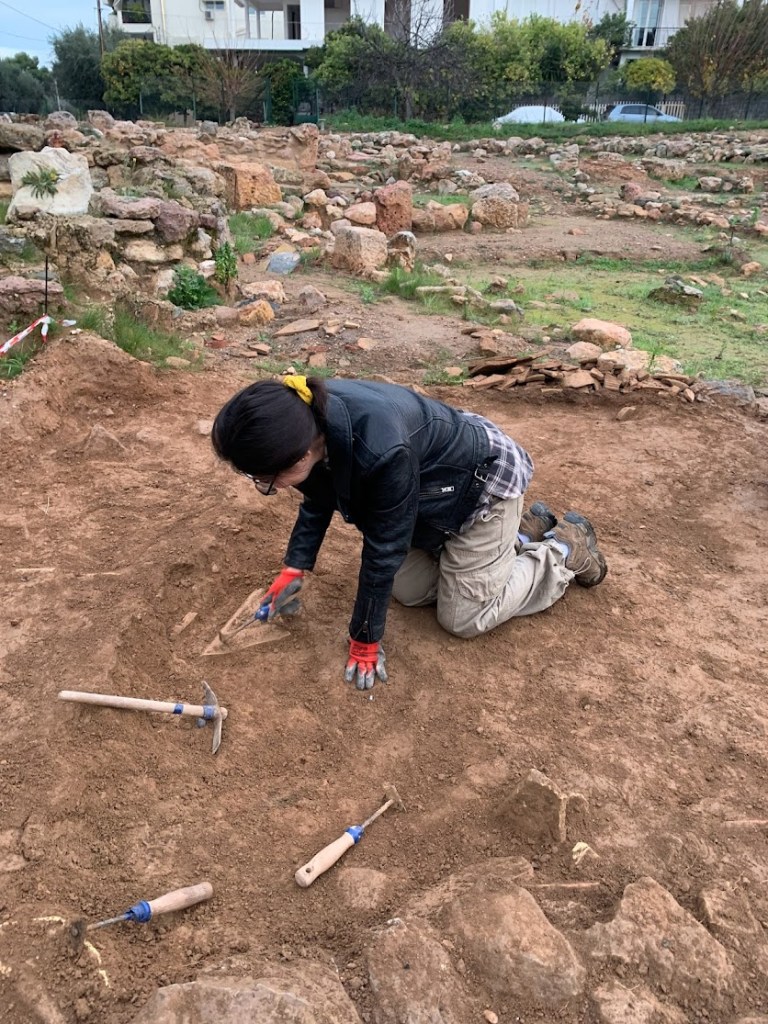
Voula Field School (Winter 2024) – Participating in the Voula Field School in Athens, Greece marked a significant milestone as my first excavation in the field of classical archaeology. The excavations at the Aixonidai Halai, one of the ancient municipalities on the coast of ancient Attica, was a profound immersion into the field of classical archaeology. Through lectures in classrooms, archaeological sites, and museums, we not only learned about the artifacts and biological materials typically encountered in archaeological digs but also gained insights into the broader context of classical archaeology. Understanding the methodology of conducting archaeological research in Athens, from identifying and dating artifacts to cataloging findings, was just one aspect of this rich learning experience. We also explored excavation techniques, stratigraphy, artifact conservation, and the historical and cultural contexts of the sites we excavated, all of which contributed to a deeper understanding of classical archaeology as a discipline. This hands-on experience refined my technical excavation skills and deepened my appreciation for the complexities of archaeological research.
My fieldwork experiences, spanning from New York to Greece, have been transformative, deepening my understanding of archaeology and igniting my passion for uncovering the past. Each excavation provided unique insights into ancient societies and the complexities of archaeological practice, shaping me into a more skilled and knowledgeable researcher.
For those venturing into similar endeavors, I encourage embracing every opportunity to engage directly with archaeological sites and artifacts. The hands-on learning and immersive experiences are invaluable, offering a profound understanding of ancient civilizations and the intricacies of archaeological work.
Research
In the Summer of 2023, I was a part of the project “Archaeology as Advocacy: Celebrating Cultural Heritage and Promoting Sustainability in Transylvanian Mining Communities,” a collaborative project involving Hamilton students and faculty working alongside Transylvanian mining communities facing threats from a proposed large-scale open-cast gold mine. The project’s core aim is to empower these communities to resist displacement, preserve their traditional lifestyles and mining practices, and safeguard their cultural heritage.
As part of this project, my individual research focused on the preservation and promotion of cultural heritage found in burial mounds within a museum context. Through a comprehensive 25-page paper titled “Museums, Communities, And Bones: How To Preserve And Promote Cultural Heritage Found In Burial Mounds In A Museum?” I delved into the ethical display of human remains, practices for creating exhibits containing such artifacts, and the importance of community involvement in decision-making regarding their preservation and display. This research was not just an academic exercise but a meaningful exploration of how museums can serve as platforms for empowering local communities to advocate for themselves and preserve their cultural knowledge for future generations.
This summer I have developed an independent research project, “From the Trowel to the Display Case: Exploring Ethical Archaeological Practices of Artifact Lifecycles in Pompeii, in which I aim to unravel the intricate ethical considerations surrounding artifact management in classical archaeology. The project’s focus lies in understanding how artifacts transition through excavation, curation, and exhibition stages while navigating the ethical imperatives inherent in each phase. By delving into the artifact life cycles within Pompeii, this research endeavor seeks to shed light on ethical dilemmas and practical insights, fostering a deeper understanding of the responsibilities that underpin the field of classical archaeology.
My Goals
Looking ahead, my short-term goals include pursuing a graduate program to further specialize in my areas of interest. Ultimately, my long-term aspirations revolve around contributing meaningfully to the field, whether through research, education, or advocacy for cultural heritage preservation. The journey continues, and I am eager to embrace the challenges and discoveries that await.
 Digging Through the Ages